
Have you ever wished you could just switch off the world for an hour with no noise, no screens, no stress, no gravity pulling you down? That is exactly what float therapy promises, and it is slowly making its way into wellness conversations across India.
Whether you have stumbled across the term on a wellness podcast or spotted it on a spa menu in Mumbai or Bengaluru, chances are you are curious. This guide breaks down everything you need to know about float therapy, what it is, how it works, what to expect, and why it might just be the most underrated wellness practice available in the country today.
What Is Float Therapy?
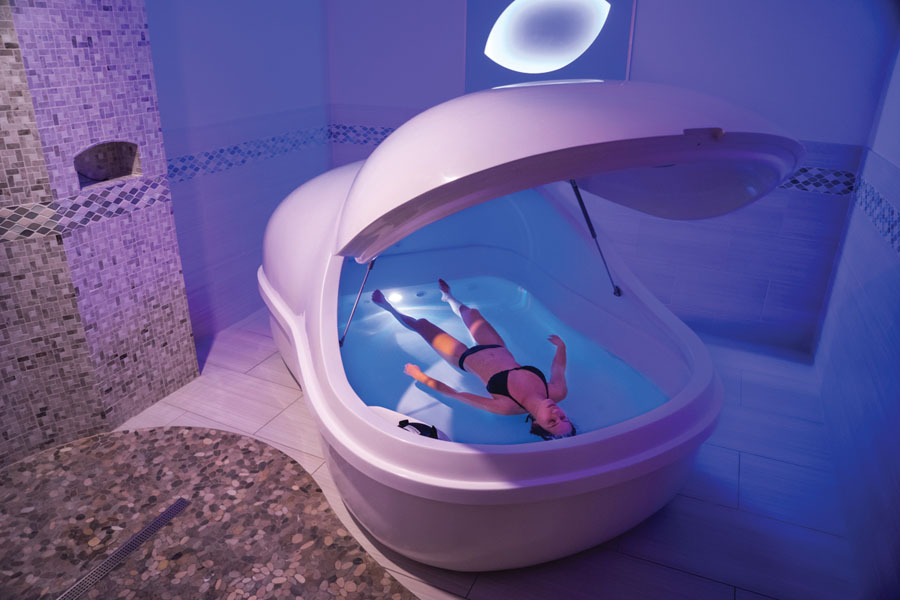
Float therapy, also known as floatation therapy or REST (Restricted Environmental Stimulation Therapy), is a form of deep relaxation where you lie in a shallow pod or tank filled with warm water saturated with Epsom salt (magnesium sulphate). The salt concentration is so high, typically around 500 to 600 kilograms per tank, that your body floats effortlessly on the surface without any effort whatsoever.
The water is kept at skin temperature, roughly 34 to 35 degrees Celsius, which means after a few minutes, you stop feeling where your body ends and the water begins. The pod is also completely dark and soundproof. The result? Your brain is gently nudged into a state where it receives almost zero external sensory input.
This is why the tank is also commonly called a sensory deprivation tank. The idea is not to deprive you harshly but to give your nervous system a rare, profound rest from the constant flood of information it processes every single day.
The Science Behind It
The concept of float therapy was developed by neuroscientist Dr. John C. Lilly in the 1950s. He wanted to study what happens to the human brain when it is cut off from external stimulation. What researchers and practitioners have found since then is genuinely fascinating.
When you remove sensory input, the brain shifts from its busy beta wave state into theta waves, the same brain state experienced just before you fall asleep or during deep meditation. This theta state is associated with heightened creativity, emotional processing, vivid imagination, and deep physical relaxation.
At the same time, the magnesium in the Epsom salt is absorbed transdermally through the skin. Magnesium is a mineral that most Indians are deficient in, and it plays a crucial role in muscle relaxation, sleep regulation, anxiety reduction, and over 300 biochemical processes in the body.
The combined effect of weightlessness, sensory stillness, and magnesium absorption creates a recovery experience that is difficult to replicate through any other method.
What Happens During a Float Session?
A typical session lasts between 60 to 90 minutes. Here is what you can generally expect:
- Before you float: You shower thoroughly before entering the pod. Earplugs are provided to keep the salt water out. You enter the pod unclothed or in a swimsuit based on your comfort.
- Inside the pod: You lie on your back. The water is only about 25 to 30 centimetres deep but the salt density keeps you completely afloat. You can keep the lid open or closed, most centres give you full control. Soft music often plays for the first and last few minutes to ease you in and out.
- During the float: The first 15 to 20 minutes are usually an adjustment period. Your mind may race, your body may fidget. This is completely normal. Most people settle into stillness around the 20 to 30-minute mark and that is when the magic begins. Time perception changes dramatically many floaters report that 90 minutes feels like 20.
- After the float: You shower again to rinse off the salt. Most people describe feeling deeply calm, unusually clear-headed, and physically light. Many float centres provide a quiet lounge space to sit and ease back into the world.
Benefits of Float Therapy
The benefits reported by regular floaters and supported by emerging research include a wide spectrum of physical and mental improvements.
- Stress and anxiety relief: The theta brain state and magnesium absorption together create a powerful anti-anxiety effect. Cortisol levels the body’s primary stress hormone drop measurably after a float session.
- Chronic pain management: The weightlessness removes pressure from joints, the spine, and muscles. People dealing with back pain, fibromyalgia, arthritis, and sports injuries often find significant relief. Athletes use float therapy as part of their recovery protocol for this very reason.
- Improved sleep: Many floaters report the best sleep of their lives on the night following a session. The shift into deep theta states and the magnesium absorption both prime the body for restorative sleep.
- Enhanced focus and creativity: Writers, entrepreneurs, and artists have long spoken about float tanks as tools for creative breakthroughs. The uninterrupted theta state allows the subconscious mind to surface ideas and solutions that the noise of daily life tends to bury.
- Mental health support: Some studies suggest that regular float therapy sessions can complement treatment for depression, PTSD, and burnout by offering a form of deep nervous system reset.
Float Therapy in India Is It Available?
Float therapy India is still a niche offering, but it is growing. Major cities like Mumbai, Bengaluru, Pune, Hyderabad, and Delhi have started to see dedicated float centres and high-end wellness spas integrating float pods into their menus.
However, awareness remains surprisingly low. Most Indians who have tried float tanks discovered them abroad in Europe, the US, or Southeast Asia and returned home looking for the same experience. The good news is that the Indian wellness industry is catching up, and the growing interest in holistic health, mental wellness, and alternative therapies is creating genuine demand for sensory deprivation tank India experiences.
For those living in metro cities, a quick search for float centres in your area is worth doing. Prices in India typically range from ₹2,500 to ₹6,000 per session depending on the city and the facility.
Things to Know Before Your First Float in India
- It is not claustrophobic by design. Modern float pods are spacious, and you always have control over the light and the lid. Many centres also offer open float rooms for those who prefer more space.
- You do not need to know how to swim. The salt concentration makes floating completely effortless. You cannot sink.
- Avoid shaving or waxing 12 hours before. Salt water can sting freshly shaved skin. Similarly, avoid floating if you have open cuts or skin irritation.
- First floats can feel mentally noisy. Do not judge your experience by the first session. Most people find that the third or fourth float is when the experience truly deepens.
- Hydrate well before and after. Your body goes through a gentle detoxification process, so water is your friend.
Who Should Avoid Float Therapy?
Float therapy is generally very safe, but it is not recommended for individuals with epilepsy, severe claustrophobia, open wounds, infectious skin conditions, or those who are intoxicated. Pregnant women are advised to consult their doctor before floating. People with certain psychiatric conditions should also speak to a healthcare professional first.
The Wellness Shift India Needs
India has one of the highest rates of workplace stress, anxiety, and sleep disorders in the world, a reality well documented by the World Health Organization’s India Mental Health Report. Despite this, our approach to recovery remains largely reactive. We wait until we break down before we seek rest.
As awareness grows and more centres open across the country, Indians are beginning to discover what much of the world already knows that sometimes, doing absolutely nothing in the right environment is the most powerful thing you can do for yourself.
If you are in India and ready to experience this for yourself, Secret Soak Society is among the pioneering names bringing authentic, thoughtfully designed float experiences to Indian wellness seekers. As the culture around holistic recovery continues to evolve, Secret Soak Society stands at the forefront of making deep rest not just accessible, but genuinely transformative.
FAQs – (Frequently Asked Questions)
Q1. What is float therapy and how does it work?
Float therapy involves lying in a saltwater pod filled with Epsom salt that makes your body float effortlessly. The dark, silent environment removes all sensory input, allowing your mind and body to deeply relax.
Q2. Is float therapy available in India?
Yes, float therapy India is growing with centres now available in cities like Mumbai, Bengaluru, Pune, Hyderabad, and Delhi. Prices typically range between ₹2,500 to ₹6,000 per session.
Q3. What are the benefits of float therapy?
Float therapy helps reduce stress, anxiety, chronic pain, and improves sleep quality and mental clarity. Regular sessions also support muscle recovery, creative thinking, and overall nervous system reset.
Q4. Is sensory deprivation tank safe for beginners?
Yes, a sensory deprivation tank is completely safe for first-timers as the water is only knee-deep and you control the light and lid at all times. It is not recommended for people with epilepsy, open wounds, or severe claustrophobia.
Q5. How long is one float therapy session?
A standard float therapy session lasts between 60 to 90 minutes, which is considered ideal for experiencing full mental and physical benefits. First-time floaters are usually recommended to start with a 60-minute session.