

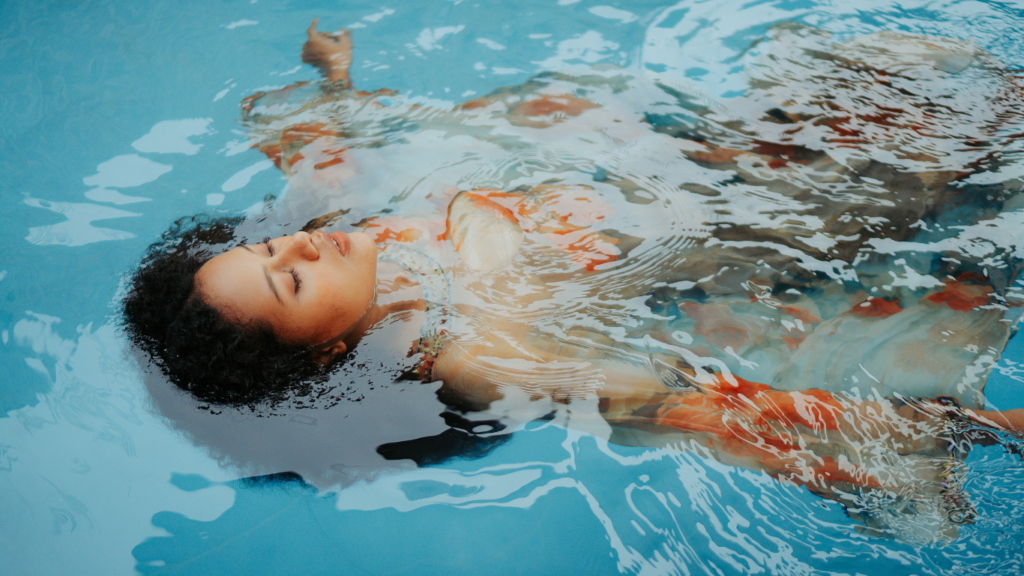
A sensory deprivation tank is designed to reduce outside stimulation and create a quiet, low-distraction environment. If you are searching for a sensory deprivation tank Delhi guide, understanding how the tank works can help you decide whether float therapy is right for you. A typical tank contains warm water mixed with a high concentration of Epsom salt. The salt makes the water highly buoyant, allowing your body to float with little effort. Inside the tank, reduced light, sound, and physical pressure create an unusual sense of calm.
For people researching sensory deprivation tank India options, it is important to understand both the experience and the practical factors involved before choosing a float setup. The Secret Soak Society focuses on making float therapy and wellness information easier to understand, especially for people exploring relaxation and recovery practices in India.
What Is a Sensory Deprivation Tank?
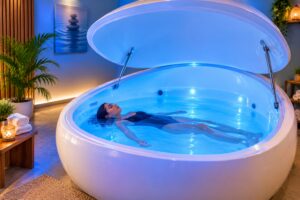
A sensory deprivation tank, also called a float tank or isolation tank, is a specially designed chamber or pod filled with shallow, warm salt water.
The high salt concentration increases buoyancy, so the body naturally floats near the surface. The tank also reduces common sensory inputs such as bright light, outside noise, and gravity-related pressure.
In simple terms, the tank creates an environment where your body can float while your surroundings become much quieter and less demanding.
How Does a Sensory Deprivation Tank Work?
A sensory deprivation tank works by combining buoyant salt water, controlled temperature, reduced sensory stimulation, and a quiet environment.
Here is how the process generally works:
The tank is filled with water: The tank contains a relatively shallow layer of water rather than a deep pool.
Epsom salt is added: A large amount of magnesium sulfate, commonly called Epsom salt, increases the water’s density.
Your body floats naturally: The dense water provides enough buoyancy to support most of your body without swimming or treading water.
The water is kept close to skin temperature: Warm water helps reduce the noticeable contrast between your skin and the surrounding water.
Light and sound are reduced: Depending on the tank, users may float in darkness or very low light with minimal external sound.
The body gets a break from constant stimulation
With fewer external distractions, many people use the time for quiet relaxation, meditation, or mental rest.
What Makes a Sensory Deprivation Tank Different?
Unlike a normal swimming pool, a float tank is not designed for exercise. You do not need to swim or move around.
The main purpose is to create a controlled environment where physical support and reduced stimulation allow you to simply rest.
What Happens During a Float Session?
You normally enter the tank, allow your body to float, and spend the session relaxing. Some people close their eyes and focus on breathing, while others simply allow their thoughts to settle naturally.
During the first few minutes, you may notice the water, temperature, and unusual feeling of weightlessness. After becoming comfortable, the experience can become much more passive.
A typical session may involve:
- Floating comfortably on your back
- Reduced external sound
- Low or no lighting
- Minimal physical movement
- Quiet breathing or meditation
- A period of uninterrupted relaxation
Why Is Epsom Salt Used?
Epsom salt is used primarily because its dissolved minerals increase the density of the water, creating strong buoyancy.
This allows you to float without actively supporting yourself. The water also needs to be carefully maintained because high salt concentrations and warm temperatures require appropriate cleaning, filtration, and water-quality practices.
It is worth separating buoyancy benefits from health claims. Floating can provide a relaxing environment, but it should not automatically be presented as a treatment for a medical condition.
Benefits of Sensory Deprivation
People explore float tanks for several reasons. The most commonly reported purpose is relaxation.
Potential benefits of a well-designed float experience include:
- A quiet break from daily stimulation
- A feeling of physical weightlessness
- Time for mindfulness or meditation
- Relaxation after demanding activities
- Personal time away from screens and notifications
- A calming environment for mental rest
Sensory Deprivation Tank Delhi: What to Consider
If you are researching a sensory deprivation tank setup or learning about float tanks before buying wellness equipment, look beyond appearance.
Consider these factors:
Water Quality
Clean and properly maintained water is essential. Ask about filtration, sanitation, testing, and routine maintenance.
Temperature Control
The water should be maintained at a comfortable temperature suitable for extended floating.
Salt Concentration
Adequate salt concentration is necessary to create the buoyancy that makes floating possible.
Tank Design
Check the internal space, entry system, ventilation, lighting controls, and overall construction.
Hygiene Practices
A professional setup should have clear cleaning and sanitation procedures between users.
For anyone comparing sensory deprivation tank India options, these practical details matter more than attractive marketing claims.
Practical Tips for First-Time Floaters
If you are considering your first float experience, keep these tips in mind:
- Avoid shaving immediately before floating because salt water may irritate freshly shaved skin.
- Follow the facility’s shower instructions.
- Protect sensitive areas if recommended.
- Avoid entering the tank with open wounds.
- Give yourself time to become comfortable with the floating sensation.
- Avoid expecting a specific mental experience.
- Follow all safety instructions provided with the tank.
Common Mistakes to Avoid
People researching sensory deprivation tank Delhi options can easily focus only on the tank itself. However, the surrounding system matters too.
Common mistakes include:
- Choosing equipment based only on price
- Ignoring water filtration requirements
- Failing to check salt levels
- Overlooking temperature control
- Assuming floating works exactly the same for everyone
- Believing exaggerated health claims
- Neglecting regular cleaning and maintenance
Expert Insights
The most important feature of sensory deprivation is controlled reduction of stimulation. The tank does not “switch off” your brain. Instead, it reduces many of the external demands competing for your attention.
The combination of buoyancy, warmth, darkness or low light, and quiet surroundings can make it easier to focus inward. Some people use this time for relaxation, while others prefer meditation or simply doing nothing.
The Secret Soak Society recommends approaching float therapy as a wellness practice rather than expecting instant or guaranteed results. For people exploring sensory deprivation tank India options, understanding the technology, maintenance requirements, and realistic expectations is a much better starting point than relying on hype.
Conclusion
A sensory deprivation tank Delhi setup works by combining highly buoyant salt water with warm temperatures and reduced sensory stimulation. The result is an environment where your body can float with minimal physical effort while outside distractions are reduced.
Whether you are researching float therapy for personal relaxation or learning about the equipment used in the industry, understanding how buoyancy, water temperature, salt concentration, and sensory reduction work together is essential. The Secret Soak Society provides useful wellness information for people interested in float therapy, recovery, relaxation, and related products in India.
Frequently Asked Questions
What is a sensory deprivation tank Delhi experience?
A sensory deprivation tank Delhi experience involves floating in warm, highly salted water inside a controlled environment with reduced light and sound. The goal is to reduce external stimulation and create a quiet space for relaxation.
How does a sensory deprivation tank work?
A sensory deprivation tank works mainly through buoyancy and sensory reduction. Epsom salt increases water density, allowing the body to float while controlled temperature, lighting, and sound create a low-stimulation environment.
Is a sensory deprivation tank the same as a float tank?
Yes. The terms sensory deprivation tank, float tank, isolation tank, and flotation tank are commonly used for similar systems. Modern facilities often prefer the term “float tank” because it sounds less negative than “sensory deprivation.”
Why does Epsom salt make you float?
Epsom salt increases the density of water. When the water becomes sufficiently dense, it creates enough upward buoyant force to support the body at the surface.
Are sensory deprivation tanks available in India?
Float tanks and related equipment are becoming increasingly relevant to India’s wellness and recovery market. If you are researching sensory deprivation tank India options, compare equipment, maintenance requirements, water-quality systems, and operating practices carefully.

Comments
Pingback: How to Buy Sensory Deprivation Tank Delhi Products