

In the fast-paced modern world, stress, anxiety, and burnout are becoming alarmingly common. As a result, more people are seeking holistic approaches to achieve balance and well-being. One such powerful method gaining the endorsement of wellness professionals is Float Session Therapy. Therapists and life coaches across the globe are increasingly recommending this therapy as a complementary practice to support mental clarity, emotional regulation, and physical relaxation.
But Float Therapy what is it exactly, and why has it caught the attention of wellness experts? In this blog, we’ll dive into the science, uses, and benefits of Float Therapy, including its application in mental health, stress relief, and emotional healing.
What Is Float Session Therapy?
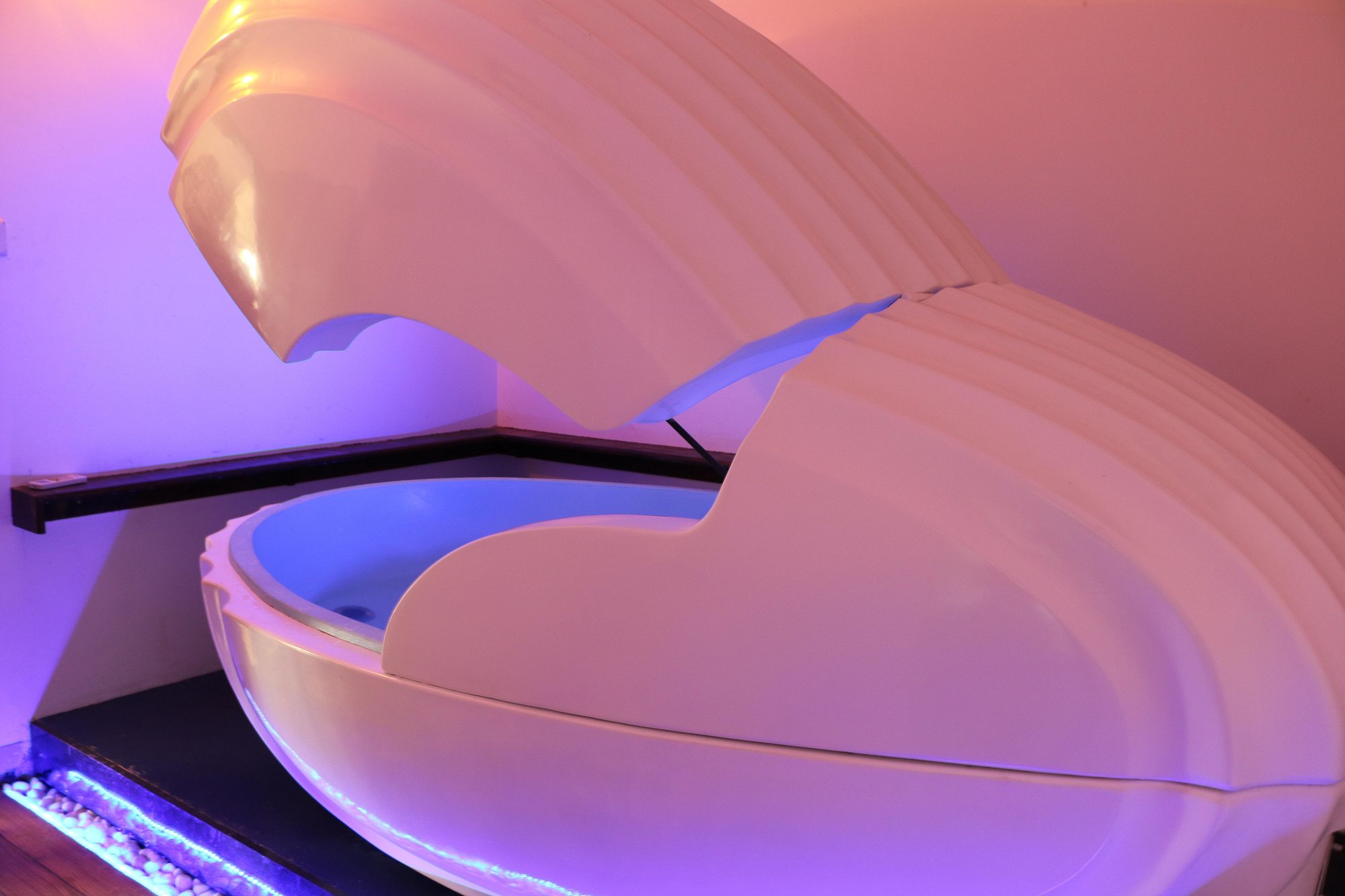
Float Session Therapy, also known as Sensory Deprivation Float Therapy, involves floating effortlessly in a specially designed tank filled with warm water saturated with Epsom salts. This water is so dense that the body floats effortlessly, replicating a zero-gravity environment.
The purpose of a sensory deprivation tank is to eliminate external sensory input light, sound, touch which allows the brain and body to enter a deeply relaxed, meditative state. The tank is soundproof, lightproof, and designed to block out distractions, leading to an experience that is profoundly calming and restorative.
The Science Behind Float Therapy
The science behind Float Therapy is rooted in neuroscience and physiology. When the brain is free from sensory input, it transitions from the beta state (alert and active) to alpha and theta states (deep relaxation and creativity). These brainwave states are associated with meditation, deep sleep, and enhanced problem-solving.
Float tank therapy benefits include a reduction in cortisol levels (stress hormone), increased endorphin production, and enhanced dopamine release. These chemical changes are why many users report feeling euphoric and clear-headed after just one float therapy session.
Why Do Therapists Recommend Float Session Therapy?
Therapists often suggest Float Session Therapy as a supplementary tool for emotional and psychological healing. Here’s why:
1. Supports Mental Health
The health benefits of Float Therapy include a marked reduction in symptoms of anxiety, depression, and PTSD. In fact, Float Therapy for depression has gained popularity due to its non-invasive and calming nature. The sensory isolation gives the mind space to reset, often resulting in clearer thinking and emotional balance.
2. Reduces Stress and Anxiety
For clients dealing with chronic stress or panic disorders, Float Tank Anxiety relief is one of the most notable outcomes. Floating promotes deep relaxation by activating the parasympathetic nervous system, helping clients feel calm and centered.
3. Enhances Mindfulness and Self-Awareness
Life coaches recommend Float Therapy for relaxation and introspection. The absence of external stimuli allows individuals to access deeper layers of thought, facilitating insight and personal growth. This reflective state supports coaching goals related to clarity, life purpose, and decision-making.
The Benefits of Float Therapy: A Deeper Look
Let’s break down the most common Float Session Benefits endorsed by professionals:
A. Physical Benefits
- Reduces inflammation and muscle soreness
- Aids in injury recovery
- Improves sleep quality
- Lowers blood pressure
B. Emotional Benefits
- Reduces anxiety and depression
- Enhances emotional regulation
- Increases sense of calm and well-being
C. Cognitive Benefits
- Boosts creativity and problem-solving
- Enhances mental clarity and focus
- Helps with memory retention
These are just some of the many benefits of Floatation tanks that therapists and coaches consider valuable for their clients’ overall wellness.
Why Life Coaches Suggest Float Therapy
Life coaches focus on helping individuals unlock their potential and live fulfilling lives. Here’s why they incorporate Float Deprivation Tank Benefits into their coaching frameworks:
– Mental Reset for Goal Setting
After a float therapy session, clients often describe a sense of mental reboot. This state makes it easier to visualize goals, reduce mental clutter, and commit to action plans with greater clarity.
– Enhanced Focus and Creativity
Coaches working with entrepreneurs, artists, or professionals report that float tank therapy benefits include a spike in innovation, clarity, and idea generation vital tools for personal and professional breakthroughs.
– Stress-Free Decision-Making
In high-pressure situations, floating helps reduce emotional reactivity, allowing clients to make decisions from a grounded, centered place. This is especially useful for career transitions, relationship challenges, or major life changes.
The Purpose of Sensory Deprivation Tanks
The purpose of sensory deprivation tanks goes beyond mere relaxation. These tanks offer a gateway to holistic healing by:
- Providing relief from chronic pain
- Encouraging deep emotional processing
- Allowing the nervous system to reboot
- Offering a sanctuary for spiritual or meditative practice
As such, isolation tank therapy has become a cornerstone of many therapeutic and coaching programs.
Real-Life Case: Float Therapy for Depression
A number of studies and anecdotal reports support the effectiveness of Float Therapy for depression. Many clients who have tried traditional therapy report feeling more emotionally stable and mentally lighter after just a few float sessions.
When combined with talk therapy, floating allows patients to process emotions more effectively. The ability to quiet the mind and reset emotionally makes this therapy a valuable adjunct to clinical treatment.
Float Therapy: What Is It Like for First Timers?
For those curious about Float Therapy what it is like, the experience is often described as calming, surreal, and transformative. The session begins by entering the float tank, closing the lid, and lying back in warm, buoyant water. Within minutes, you may lose track of your physical boundaries as your mind begins to drift into deeper states of consciousness.
This state is what makes sensory deprivation float therapy so impactful it allows a complete break from overstimulation.
Key Effects of Float Therapy on the Body and Mind
The effects of Float Therapy can be immediate or cumulative. Here are some commonly reported benefits:
- Immediate relaxation of tense muscles
- A noticeable drop in stress and irritability
- Emotional clarity after a tough day or decision
- Enhanced ability to concentrate for hours afterward
Over time, regular float session therapy can transform your relationship with stress, sleep, and self-awareness.
Benefits of Sensory Deprivation Float Tanks: A Therapist’s View
Therapists appreciate the benefits of sensory deprivation float tanks because they offer clients something that even the most effective talk therapy sometimes can’t break from the chaos of the mind.
In these moments of calm, the body heals, the mind resets, and the emotional self begins to regenerate. Many therapists now use float therapy for relaxation before or after emotionally intense sessions to help clients integrate what they’ve processed.
FAQ: Float Session Therapy
What is Float Session Therapy?
Float Session Therapy is a holistic practice where individuals float in a tank filled with Epsom-salt water, experiencing total sensory deprivation. It promotes relaxation, mental clarity, and emotional healing.
How often should I try Float Therapy?
Most professionals recommend weekly or bi-weekly sessions to experience long-term float session benefits. However, even one session can offer immediate relief from stress and anxiety.
Is it safe for people with anxiety or PTSD?
Yes, in fact, many therapists use float tank anxiety relief techniques to help clients with anxiety or PTSD. However, if you’re claustrophobic, it’s best to consult your therapist beforehand.
Can Float Therapy replace traditional therapy?
Float Therapy for depression and anxiety can support traditional therapy, but it should not replace professional medical or psychological treatment. It’s a complementary practice.
What should I bring to my Float Therapy session?
Most centers provide essentials, but it’s a good idea to bring your own towel and toiletries. Avoid caffeine before your session to maximize the effects of Float Therapy.
Final Thoughts
The benefits of Float Therapy are increasingly recognized by therapists and life coaches because it aligns perfectly with emotional healing, mental clarity, and physical wellness. Whether you’re looking to manage stress, heal emotionally, or gain personal insight, Float Session Therapy offers a peaceful, powerful pathway to transformation.
So next time your therapist or coach recommends trying a float session, know that you’re stepping into a scientifically backed, deeply healing experience. The floatation tank therapy benefits may just be the breakthrough your body and mind have been waiting for.