

Modern life keeps people busy from morning till night. Work deadlines, family duties, phone notifications, traffic, and constant noise slowly drain energy. Many people feel tired even after resting. The mind keeps thinking, and the body feels heavy.
This is why wellness habits are changing. People are now choosing gentle, natural ways to relax instead of quick fixes. One such growing wellness practice is float therapy. It is simple, calm, and deeply relaxing, making it perfect for today’s fast-moving lifestyle.
Understanding Float Therapy in Simple Words
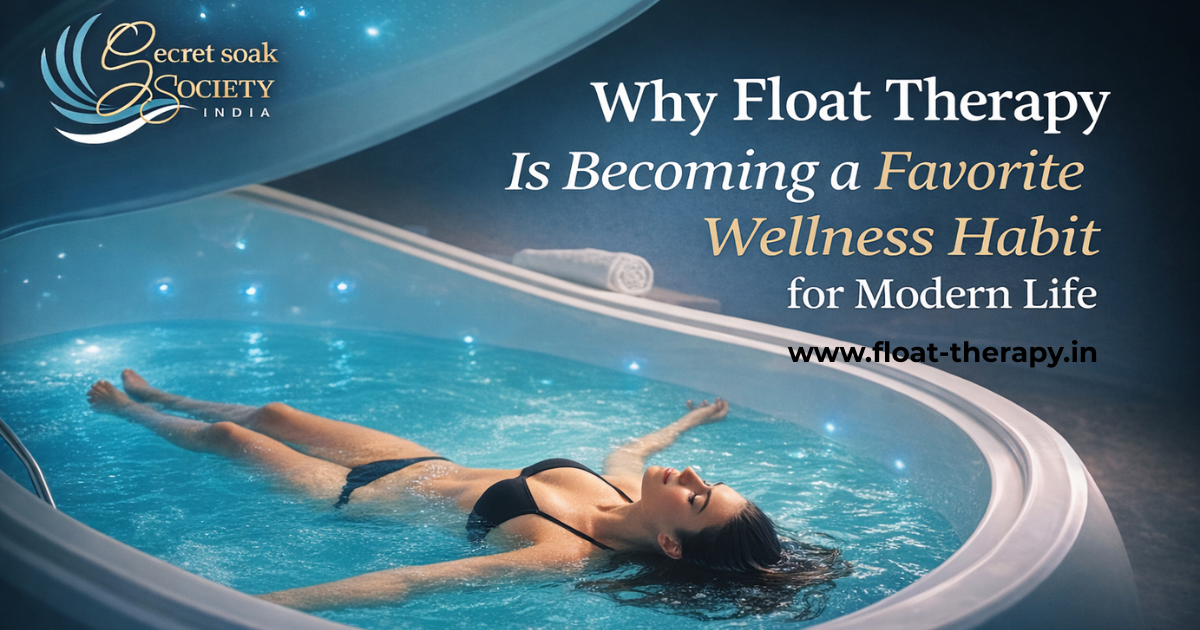
Float therapy is a relaxation experience where a person floats in warm water filled with natural Epsom salt. The salt makes the body float easily without effort. The water temperature matches the skin, so the body slowly forgets where it ends and the water begins.
Inside a float therapy spa, the environment is quiet, private, and peaceful. There is no pressure to think, talk, or move. The body relaxes on its own, and the mind slowly becomes calm.
Many people describe this experience as entering a liquid sanctuary—a place where the outside world disappears for a while.
Why the Body Loves Float Session Therapy
The human body is not designed to stay tense all the time. Yet daily stress keeps muscles tight and the mind alert. Float session therapy helps the body switch into rest mode.
When floating:
- Muscles release tension naturally
- Joints feel light without gravity
- Breathing becomes slow and steady
- The nervous system calms down
This deep relaxation allows the body to recover in a way that normal rest often cannot.
A Safe Space for Mental Calm
Many people struggle with mental noise. Thoughts move fast. Worries repeat. Even during sleep, the mind feels busy. Float therapy offers a break from this pattern.
Inside the float room:
- There are no distractions
- No screens or notifications
- No outside expectations
This quiet environment helps the mind slow down gently. Over time, float therapy can help people feel more balanced, present, and emotionally lighter.
Float Therapy Spa: Designed for Comfort and Privacy
A float therapy spa focuses on comfort, hygiene, and personal space. Each session is private, allowing people to relax without feeling watched or rushed.
What usually happens:
- A short introduction before the session
- A quick shower to prepare the body
- Floating in a clean, quiet room
- Gentle return to normal awareness after
Everything is designed to feel safe and welcoming, even for first-time visitors.
Who Finds Float Therapy Most Helpful?
Busy Professionals
Long work hours and mental pressure often lead to burnout. Float therapy offers deep rest without effort.
People with Sleep Problems
Many users feel more relaxed and rested after floating, which supports better sleep patterns.
Wellness and Self-Care Seekers
Those interested in natural healing and calm living often include float therapy in their routine.
Physically Active Individuals
Floating helps tired muscles relax and supports recovery after physical activity.
First-Time Wellness Explorers
Float therapy is gentle, simple, and non-invasive, making it easy for beginners.
Couples Float Therapy: Relaxing Together
Wellness does not always have to be a solo experience. Couples float therapy allows partners to relax at the same time, creating shared calm moments.
Benefits include:
- Reduced shared stress
- Better emotional connection
- Quiet time without distractions
- A new way to experience relaxation together
For couples living busy lives, floating together offers peaceful time without talking or planning—just rest.
Emotional Balance Through Stillness
Float therapy supports emotional well-being in a soft and natural way. When the body relaxes, emotions often follow.
People often report:
- Feeling lighter emotionally
- Reduced anxiety
- Better mood
- Improved clarity
Because float therapy removes outside stimulation, emotions settle without force.
Float Therapy and Focus
A tired mind struggles to focus. Many people feel mentally scattered. Float therapy gives the brain time to reset.
After floating, people often feel:
- Clear-headed
- More focused
- Mentally refreshed
This is why float therapy is popular among students, creatives, and professionals who need mental clarity.
Is Float Therapy Suitable for Beginners?
Yes. Float therapy is beginner-friendly. There is no special skill required. No fitness level is needed. People simply float and relax.
A float therapy spa provides:
- Clear instructions
- Clean and controlled environment
- Support if needed
First-time floaters often feel surprised by how easy and comfortable the experience is.
How Often Should Float Therapy Be Done?
There is no fixed rule. Some people float occasionally, while others include it regularly.
Many start with:
- One session to understand the experience
- A few sessions close together for deeper relaxation
- Monthly or weekly sessions for maintenance
The body responds well to consistency.
Float Therapy as a Modern Wellness Choice
In today’s world, wellness is not about doing more. It is about slowing down. Float therapy fits perfectly into this mindset.
It offers:
- Rest without effort
- Calm without pressure
- Stillness without rules
For people looking for balance, float therapy provides a simple and meaningful way to care for the mind and body.
Final Thoughts
Life will always be busy. Noise will always exist. But everyone deserves a quiet space now and then. Float therapy offers that space.
Inside a float therapy spa, floating feels like stepping into a calm liquid sanctuary. Whether alone or through couples float therapy, each float session therapy experience helps people return to daily life feeling calmer, lighter, and more balanced.