
Every day, people feel rushed. There is noise everywhere. Phones keep buzzing. Work never seems to stop. Even at home, the mind keeps running. Many people do not feel relaxed even while resting. Because of this, wellness today is not about luxury. It is about finding quiet. It is about feeling light again. Float session therapy offers exactly that — a quiet space where the body can rest and the mind can slow down, without effort.
This blog explains float session therapy in a simple and real way. It also explores how float massage supports physical comfort and why couples floating therapy is becoming a meaningful shared wellness experience.
What Makes Float Session Therapy Different from Other Relaxation Methods

Most relaxation methods still need effort. Yoga needs movement. Meditation needs focus. Massage uses pressure.
Float session therapy is different.
Here, the body does not need to do anything.
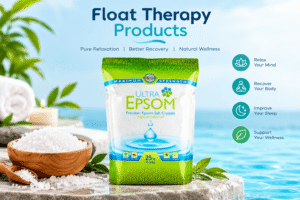
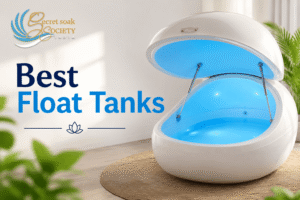
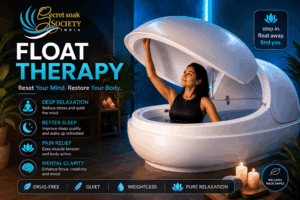
A person floats on warm water filled with Epsom salt. The salt supports the body fully. The water is the same temperature as the skin. This makes the body forget where it ends and the water begins.
There is no weight on the body. No sound around. No screens. No talking.
Just stillness.
Why the Body Responds So Well to Floating
The human body is always under pressure from gravity. This pressure affects:
- The spine
- The neck and shoulders
- The knees and hips
During float session therapy, gravity is removed. The body finally gets a break.
This helps:
- Tight muscles loosen
- Joints relax
- Breathing slow down
- Heart rate settle
Many people say their body feels “lighter” after a float, even hours later.
Float Session Therapy and Mental Rest
The mind is tired even when the body is not. Thoughts jump from one thing to another. Stress stays even after work hours.
Float session therapy helps because:
- There is no phone
- No noise
- No outside distraction
The brain slowly stops reacting. Thoughts become fewer. The mind enters a calm state naturally.
This calm is not forced. It happens on its own.
Why Float Massage Adds More Comfort
While floating alone is powerful, some people want deeper body relaxation. This is where float massage plays an important role.
Float massage usually happens before or after a float session.
How Float Massage Helps
- Relaxes tight muscles
- Improves blood flow
- Releases body stiffness
- Prepares the body for deep rest
After massage, the float feels deeper. The body lets go faster because the muscles are already relaxed.
Float massage is gentle. It is not painful or aggressive.
People Who Benefit Most from Float Massage
Float massage works well for:
- Office workers with neck and back pain
- People who sit for long hours
- Fitness lovers with sore muscles
- People with body fatigue
When float massage and float session therapy are combined, relaxation lasts longer.
Couples Floating Therapy: Wellness Without Talking
Many couples want time together, but not all time needs talking or activities.
Couples floating therapy offers shared peace.
Each person floats in their own private space, but the experience is shared emotionally.
After the session:
- Couples feel calmer
- Conversations feel lighter
- Emotional connection feels stronger
It is not about doing something together.
It is about resting together.
Why Couples Choose Floating Over Regular Spa Visits
Traditional spa visits involve:
- Noise
- Waiting
- Talking
- Busy environments
Couples floating therapy offers:
- Silence
- Privacy
- No pressure
- True rest
It suits couples who want calm instead of excitement.
What a Float Session Feels Like (First-Time Experience)
For someone new, float session therapy feels unusual at first — but safe.
Before Floating
- Shower to clean the body
- Remove distractions
- Staff explains the process
During Floating
- The body floats easily
- Breathing slows
- Muscles relax on their own
- Thoughts become quiet
Some people feel like time passes quickly. Others feel deeply rested.
After Floating
- The body feels fresh
- The mind feels clear
- Stress feels lighter
Is Float Session Therapy Safe for Everyone?
Float session therapy is gentle and safe for most adults.
It does not involve:
- Strong pressure
- Medicines
- Machines on the body
The water is clean and filtered. Sessions are private. People can end the session anytime.
First-time users are always guided.
Why Float Session Therapy Is Gaining Popularity in India
Indian cities are busy. Stress levels are high. People want natural wellness options.
Float session therapy fits modern Indian lifestyles because:
- It saves time
- It needs no learning
- It works quietly
- It supports both body and mind
Wellness seekers, professionals, and couples are choosing floating as a new form of self-care.
How Often Should Someone Do Float Session Therapy?
There is no fixed rule.
Some people float:
- Once a month for relaxation
- Once a week for stress management
- Occasionally with float massage for body care
Couples floating therapy is often done as a special shared wellness session.
Common Myths About Float Session Therapy
Myth 1: It is only for athletes
Truth: Anyone can benefit.
Myth 2: It is scary
Truth: The body floats safely. The experience is calm.
Myth 3: It is like swimming
Truth: No movement is needed.
How Float Session Therapy Supports Daily Life
People who float regularly often notice:
- Better sleep
- Less body pain
- Clearer thinking
- Improved mood
The benefits grow slowly and naturally.
Final Thoughts
Float session therapy is not about doing more.
It is about doing less.
It gives the body a chance to rest without pressure.
It gives the mind space without noise.
When paired with float massage, the body relaxes deeper.
With couples floating therapy, wellness becomes shared and meaningful.
In a loud and busy world, floating offers silence — and that silence heals.
FAQs
1. Do I need swimming skills for float session therapy?
No. The water supports the body fully.
2. Can couples float together?
Yes. Couples floating therapy is designed for shared relaxation.
3. Is float massage strong or painful?
No. Float massage is gentle and calming.
4. How long does one session last?
Usually 45 to 60 minutes.
5. Can beginners try float session therapy?
Yes. It is beginner-friendly.