
Millions of people worldwide struggle with sleep disorders such as insomnia, restless nights, and irregular sleep patterns. While medications and behavioral therapies are commonly prescribed, an increasing number of people are exploring holistic options like Float Therapy. But float therapy is what it is, and can it really help you sleep better?
This in-depth guide explores the benefits of float therapy, the science behind float therapy, and how float session therapy might be the missing piece in your journey toward better rest and relaxation.
Float Therapy — What Is It?
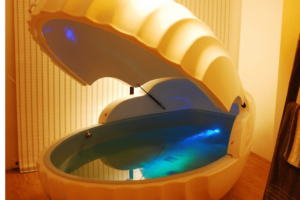
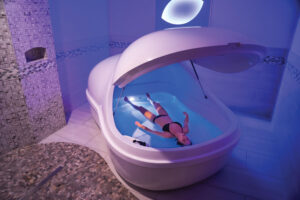
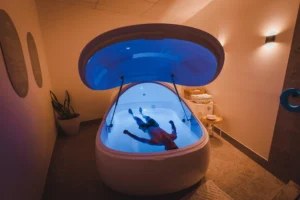
Before diving into the benefits of float therapy, it’s important to understand what float therapy is. Also known as isolation tank therapy or sensory deprivation float therapy, it involves floating effortlessly in a tank filled with warm water and a high concentration of Epsom salts. The water is heated to match skin temperature, and the tank is soundproof and dark creating an environment of complete stillness.
The purpose of a sensory deprivation tank is to remove external sensory input: no light, no sound, no gravity pressure allowing your mind and body to enter a deeply relaxed state. This stillness helps your brain shift from its usual alert mode into slower brainwave patterns associated with meditation and rest.
During a float therapy session, you feel weightless, free of tension, and detached from everyday stressors. This “zero-gravity” experience is one of the key float deprivation tank benefits that promote physical and mental restoration.
The Science Behind Float Therapy
Let’s talk about the science behind float therapy and why it’s gaining attention in the wellness and medical communities.
Inside a float tank, several physiological changes occur that contribute to the health benefits of float therapy and the effects of float therapy:
- Brainwave Transition: Floating encourages the brain to move from beta waves (active and alert) to alpha and theta waves (associated with meditation, creativity, and early stages of sleep). This shift explains many float therapy for relaxation effects.
- Stress Hormone Reduction: The dark, quiet environment lowers cortisol levels, the body’s primary stress hormone supporting emotional balance and the float tank therapy benefits related to anxiety reduction.
- Nervous System Reset: With no external distractions, the sympathetic “fight-or-flight” system quiets down while the parasympathetic “rest-and-digest” system takes over. This change enhances float therapy for depression and helps regulate mood and sleep cycles.
- Muscle and Joint Relief: The buoyancy provided by the Epsom salt solution relieves pressure on joints and muscles, leading to significant float session benefits for physical recovery and comfort.
- Magnesium Absorption: Magnesium sulfate supports muscle relaxation and nervous system function key elements that enhance the benefits of floatation tanks for better rest and recovery.
This combination of physiological and neurological shifts underpins the benefits of float therapy, including improvements in mental health, stress management, and sleep quality.
Benefits of Float Therapy for Sleep Disorders
Sleep disorders can stem from various causes of stress, anxiety, pain, or even hormonal imbalances. The benefits of float therapy directly target many of these underlying factors.
Here’s how float session therapy can specifically help improve sleep:
1. Deep Relaxation
Float therapy for relaxation is perhaps its most recognized effect. The quiet, weightless environment triggers the body’s natural relaxation response, similar to deep meditation. This lowers blood pressure and heart rate, preparing the body for restful sleep.
2. Anxiety and Stress Reduction
People with insomnia often experience racing thoughts before bed. The float tank anxiety reduction benefits can calm the nervous system and quiet the mind, making it easier to fall asleep.
3. Natural Sleep Hormone Regulation
By lowering stress hormones, float therapy indirectly promotes melatonin production, the hormone that governs sleep cycles. This makes the health benefits of float therapy highly relevant for those battling chronic insomnia.
4. Pain Relief for Better Rest
Muscle and joint pain often interfere with deep sleep. The weightless environment allows your body to rest without pressure, making float deprivation tank benefits ideal for people with fibromyalgia, arthritis, or chronic pain conditions.
5. Emotional Reset
Emotional overload and depression often affect sleep. Float therapy for depression can boost serotonin and dopamine levels, which contribute to emotional balance and better mood essential for quality rest.
6. Enhanced Sleep Quality
Many people report sleeping longer and deeper after a float therapy session. The effects of float therapy can last for several days, helping you achieve a more consistent sleep pattern.
In short, the float tank therapy benefits reach both mind and body, creating conditions ideal for deep, restorative sleep.
Health Benefits of Float Therapy Beyond Sleep
While the focus here is on sleep disorders, the health benefits of float therapy extend much further. People also seek float session therapy for:
- Stress Management: Regular sessions help maintain a calm and balanced mood.
- Chronic Pain Relief: The buoyancy supports muscles, promoting healing.
- Injury Recovery: The absence of gravity allows microcirculation and healing.
- Improved Focus and Creativity: The sensory isolation boosts clarity and mental focus.
- Mood Enhancement: Many users experience improvements in overall mood and motivation.
Whether you use sensory deprivation float therapy for wellness, pain relief, or emotional recovery, the float tank therapy benefits are consistent reduced tension, better mood, and improved sleep quality.
Effects of Float Therapy on the Body and Mind
The effects of float therapy are both physical and psychological. Physically, it relieves muscle tension, improves circulation, and reduces inflammation. Mentally, it creates a meditative state that helps the brain unwind and reset.
After a float therapy session, people often describe a sense of calm and clarity that lasts for hours or even days. This lingering tranquility is one of the key benefits of sensory deprivation float tanks. It’s no surprise that elite athletes, entrepreneurs, and those under chronic stress are turning to this therapy for recovery and mental performance.
How Float Session Therapy Works
If you’ve never tried float session therapy, here’s what to expect:
- Preparation: You’ll shower before entering the float tank to remove oils or lotions.
- Floating: Once inside, you lie back and effortlessly float due to the salt saturation. The water supports your body completely, offering instant float therapy for relaxation.
- Environment: The tank is completely silent and dark, helping you disconnect from the outside world.
- Duration: A typical float therapy session lasts 60 to 90 minutes.
- Post-Float: After your session, you’ll feel relaxed, light, and refreshed key indicators of the benefits of float therapy.
Regular floating can amplify the float session benefits over time, leading to long-term improvements in stress levels, mood, and sleep.
Float Therapy for Depression and Anxiety
Many sleep disorders are linked to depression and anxiety. Float therapy for depression has shown promise as a natural, noninvasive way to stabilize mood. The sensory deprivation environment reduces overstimulation, which allows emotional regulation to occur more smoothly.
Likewise, float tank anxiety reduction effects come from calming the amygdala the brain’s fear center. The science behind float therapy supports this, showing measurable drops in cortisol and increased feelings of well-being after just one session.
When combined with other therapeutic approaches, isolation tank therapy can be a powerful tool for improving mental health and sleep quality simultaneously.
The Benefits of Sensory Deprivation Float Tanks
The benefits of sensory deprivation float tanks can be categorized into three main areas:
- Physical Relief: The zero-gravity effect supports muscles and joints, relieving pain and tension.
- Mental Restoration: The absence of external input allows for mental clarity and emotional reset.
- Emotional Healing: By encouraging deep relaxation, sensory deprivation float therapy helps reduce depression and anxiety key factors that disturb sleep.
These combined effects highlight the benefits of float therapy for anyone dealing with stress-induced insomnia or chronic fatigue.
Float Therapy for Relaxation and Recovery
It’s impossible to discuss the benefits of float therapy without emphasizing float therapy for relaxation. Few wellness methods offer such complete disengagement from external stimuli. Inside the tank, your brain and body get the opportunity to slow down, recalibrate, and restore balance.
Whether you use float session therapy as a pre-sleep ritual or part of your mental health routine, the float tank therapy benefits contribute to both relaxation and rejuvenation.
Practical Tips for Using Float Therapy for Sleep
To maximize the float session benefits for sleep:
- Float in the evening to promote calm before bedtime.
- Avoid caffeine or heavy meals before your float therapy session.
- Combine floating with other relaxation methods like breathing exercises or meditation.
- Try multiple sessions to experience cumulative health benefits of float therapy.
- Keep track of your sleep quality after each float to measure improvement.
When used regularly, float therapy for relaxation can reprogram your body to unwind more easily at night.
FAQ: Float Therapy and Sleep Disorders
How many float sessions are needed to improve sleep?
Most people notice float session benefits after one or two sessions, but consistent sessions yield better results. Aim for weekly or biweekly floats for maximum float tank therapy benefits.
Can I fall asleep during float therapy?
Yes! Many people do. Falling asleep inside the tank is safe and often enhances the effects of float therapy on restfulness.
Is float therapy safe for everyone?
Generally yes, but those with open wounds, epilepsy, or severe claustrophobia should consult a healthcare provider before beginning float session therapy.
Can float therapy replace medication for insomnia?
Float therapy for depression and float therapy for relaxation support mental health and sleep naturally but are not replacements for prescribed treatments. It’s best used alongside medical advice.
How long do the benefits last?
The health benefits of float therapy can last several days after a single session. Regular floats extend these effects further.
Final Thoughts
The benefits of float therapy go beyond simple relaxation; they address the root causes of many sleep problems, including stress, anxiety, and physical discomfort. By understanding the science behind float therapy and using float session therapy consistently, you can unlock a powerful natural method to improve sleep quality, mood, and overall well-being.
Whether your goal is to manage float tank anxiety, relieve pain, or simply rest more deeply, isolation tank therapy offers an evidence-based, restorative experience. For anyone struggling with sleepless nights, the float deprivation tank benefits might be exactly what your mind and body have been missing.
Float regularly, breathe deeply, and experience the benefits of sensory deprivation float tanks for yourself. A peaceful night’s sleep could be just one float therapy session away.