
In today’s busy and overstimulated world, finding a way to truly relax has become more important than ever. Many people are now turning to floatation tanks for an experience that promotes deep relaxation, pain relief, and mental clarity. Also known as sensory deprivation tanks, these float pods are filled with Epsom salt and water, allowing the body to float effortlessly. The growing interest in this therapy has led many to ask, “Float Therapy what is it?” and “What are the real health benefits of float therapy?”
Let’s explore the benefits of float therapy, the science behind float therapy, and how this unique experience can improve both your mind and body.
Float Therapy – What Is It?
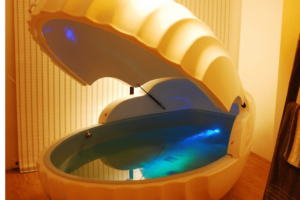
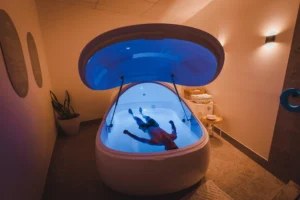
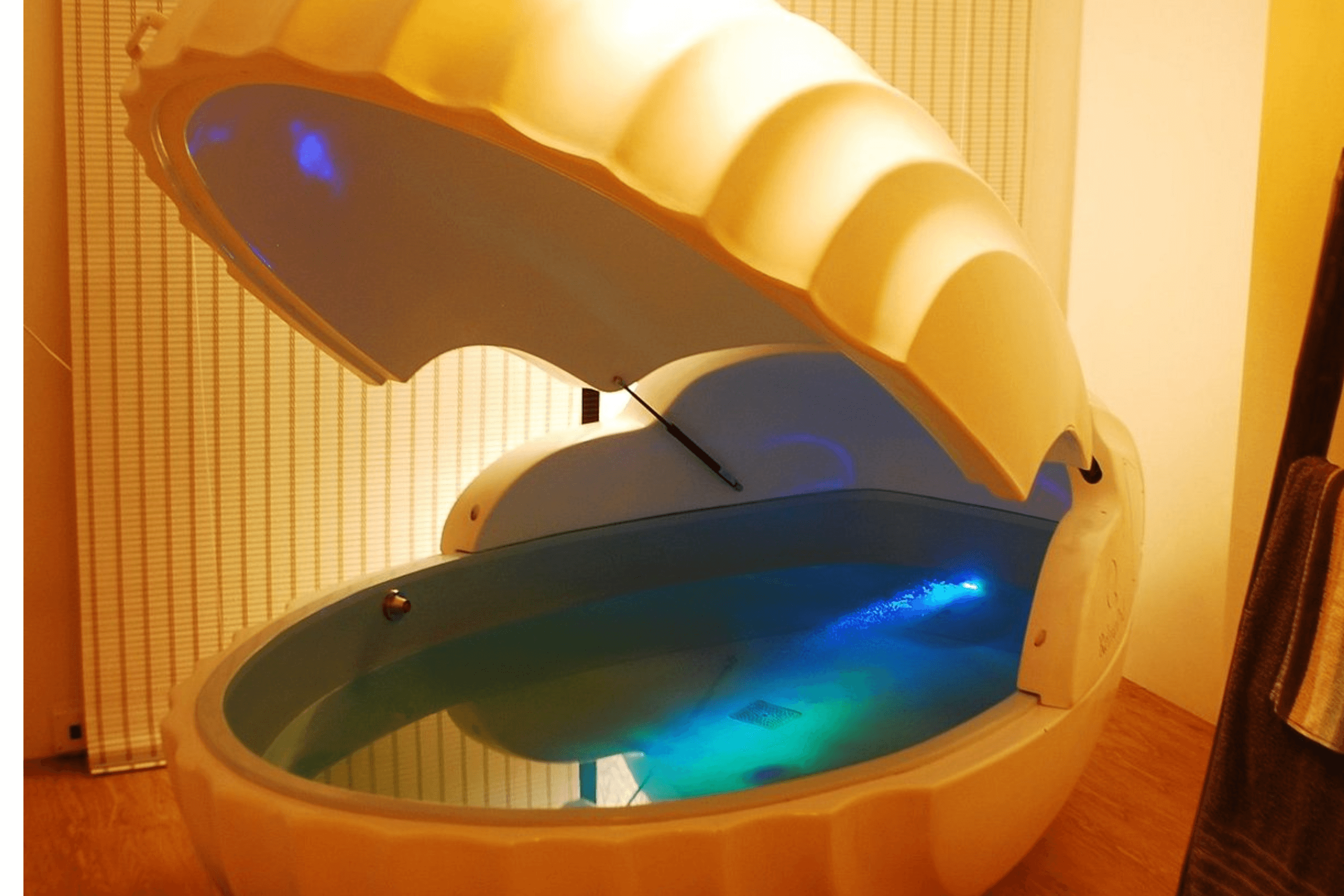
Before understanding the float session benefits, it’s important to know exactly what float therapy is. A float therapy session involves entering a special tank often called an isolation tank or sensory deprivation float tank filled with warm water and high concentrations of Epsom salt. The buoyancy created by the salt allows you to float effortlessly, removing the effects of gravity on the body.
During a float session therapy, all external stimuli, sound, light, and even touch are reduced. This gives the brain and body a chance to disconnect from the constant stream of sensory input. This environment of near-total silence and weightlessness helps trigger a deep meditative state. Many people describe it as the most profound relaxation they’ve ever experienced.
The purpose of a sensory deprivation tank is not only relaxation but also to promote physical and mental healing. Let’s dive deeper into the float tank therapy benefits that make this practice so effective.
The Science Behind Float Therapy
The science behind float therapy is fascinating. When you float in a sensory deprivation float therapy environment, your brain shifts from high-frequency beta waves to slower alpha and theta waves the same ones experienced during deep meditation. This shift helps lower cortisol levels, reduce anxiety, and enhance creativity.
From a physical perspective, the health benefits of float therapy come from the Epsom salt (magnesium sulfate) in the water. Magnesium is known for relaxing muscles, improving circulation, and aiding in recovery. The buoyancy also relieves pressure on joints, bones, and muscles, making it a favorite among athletes and those with chronic pain.
Research on the effects of float therapy continues to show positive outcomes for stress reduction, improved sleep, and emotional balance. It’s a holistic approach to wellness that works for both body and mind.
Top Health Benefits of Float Therapy
Here are some of the most well-documented benefits of floatation tanks and isolation tank therapy:
1. Deep Relaxation and Stress Relief
The first and most common reason people book a float therapy session is for deep relaxation. Floating removes all external distractions, allowing your nervous system to enter a state of calm. Studies show that regular sessions can reduce anxiety, lower blood pressure, and even help with insomnia.
The float therapy for relaxation aspect is especially beneficial for people with busy lifestyles or those who struggle to unwind. After a single float session therapy, many report feeling refreshed and mentally recharged.
2. Pain and Muscle Recovery
Athletes and those with chronic pain often seek out float tank therapy benefits for physical relief. The buoyancy of the water removes gravitational pressure, allowing tight muscles to relax completely. The magnesium absorbed through the skin helps decrease inflammation and muscle soreness.
Because the body is completely supported, floating can relieve tension in the spine, neck, and joints. The health benefits of float therapy extend beyond relaxation; it’s a powerful recovery tool for physical healing.
3. Mental Clarity and Focus
Another key benefit of float therapy is improved concentration. The quiet, weightless environment gives your brain a chance to recharge. Many creative professionals, writers, and business leaders use sensory deprivation float therapy to enhance problem-solving and creativity.
The science behind float therapy supports this claim, showing that sensory reduction can lead to heightened focus once you return to normal life. After a float therapy session, people often describe increased productivity and mental clarity.
4. Float Therapy for Depression and Anxiety
One of the most promising areas of research focuses on float therapy for depression and float tank anxiety relief. Floating reduces cortisol, the stress hormone and increases endorphin production. This creates a natural mood boost and helps the brain regulate emotional balance.
People who experience anxiety often find that float deprivation tank benefits include calmness and improved emotional stability. The safe, quiet environment helps them reconnect with themselves in a deeply soothing way.
For those seeking alternative or complementary approaches to mental health, the benefits of sensory deprivation float tanks are becoming more widely recognized.
5. Improved Sleep Quality
Many people suffer from poor sleep due to stress or physical discomfort. The effects of float therapy can significantly improve sleep by calming the nervous system and relaxing the body. Floating regularly can help regulate sleep cycles, making it easier to fall asleep and stay asleep throughout the night.
This is another reason why the benefits of float therapy are often compared to meditation or mindfulness; the practice promotes long-term balance and restfulness.
6. Enhanced Meditation and Mindfulness
For those who practice meditation, isolation tank therapy provides the perfect environment for deeper focus. Floating removes distractions and external noise, helping you enter a meditative state quickly.
The purpose of sensory deprivation tank therapy is to eliminate external input, allowing your inner awareness to grow. The float session benefits are profound greater self-awareness, emotional release, and peace of mind.
The Benefits of Float Therapy for Overall Wellness
The overall benefits of floatation tanks extend beyond immediate relaxation. Regular sessions promote a balanced lifestyle by reducing chronic stress and improving emotional resilience. The health benefits of float therapy include better physical recovery, sharper mental performance, and enhanced emotional well-being.
Whether you’re using float therapy for relaxation, float therapy for depression, or simply to recharge, every session can bring noticeable improvements in how you feel and function. The combination of stillness, buoyancy, and sensory isolation offers a rare opportunity to reconnect with your body and mind.
The effects of float therapy are cumulative meaning, the more you float, the more benefits you experience. Over time, many people report reduced anxiety, deeper sleep, and a more peaceful outlook on life.
In short, float session therapy isn’t just a luxury it’s a holistic wellness practice supported by both science and experience
Float Therapy Session – What to Expect
If you’ve never tried a float therapy session, you might be curious about what happens during one. You’ll typically enter a private room with a shower and float tank. After showering, you step into the tank filled with warm salt water.
The float therapy question becomes clear once you’re inside it’s a quiet, comfortable, and calming experience. Most sessions last about 60 minutes. During this time, your body and mind begin to let go of tension and stress.
When the session ends, you’ll feel a deep sense of relaxation that can last for hours or even days. Regular floating enhances these effects, amplifying the float tank therapy benefits over time.
Why You Should Try Isolation Tank Therapy
Trying isolation tank therapy even once can make a noticeable difference in your well-being. People who float regularly often describe it as “resetting their mind and body.”
The benefits of float therapy aren’t just temporary; they create lasting changes in how you handle stress and recover physically. For anyone looking to improve mental clarity, emotional balance, and physical health, the benefits of floatation tanks are truly worth exploring.
FAQs About Float Therapy
How often should I book a float therapy session?
Most people find that floating once or twice a month is ideal, but it depends on your goals. Those seeking float therapy for depression or float therapy for relaxation may benefit from weekly sessions.
2. Is sensory deprivation float therapy safe?
Yes, sensory deprivation float therapy is safe for most people. The high salt concentration keeps you buoyant, and the water is carefully sanitized after each session.
3. Can float therapy help with anxiety?
Absolutely. Many individuals use float tank anxiety sessions to reduce stress and improve mood naturally. Floating lowers cortisol and increases dopamine and endorphins.
4. What should I do before and after a float therapy session?
Avoid caffeine before your appointment, and allow time afterward to relax. The float session benefits continue even after you leave the tank.
5. Who can benefit from float therapy?
Almost anyone can enjoy the benefits of sensory deprivation float tanks from athletes and busy professionals to those seeking peace of mind or physical recovery.
Final Thoughts
The benefits of floatation tanks go far beyond relaxation. They offer a science-backed, holistic approach to health that supports the mind and body. From reducing anxiety and improving sleep to enhancing creativity and physical recovery, the benefits of float therapy are undeniable.
If you’ve ever wondered about float therapy what it is, or whether it can truly make a difference, the answer is yes. The science behind float therapy proves that regular floating can transform your mental and physical well-being.
In a world that never stops, a float therapy session offers the rare chance to pause, breathe, and reconnect. Experience it for yourself and discover the true benefits of float therapy.