
In today’s fast-paced world, where stress, anxiety, and sensory overload have become part of daily life, many people are turning to float therapy to find deep relaxation and mental clarity. But for beginners, a common question arises: How safe is float therapy?
Let’s explore what float session therapy is, the benefits of float therapy, the science behind float therapy, and everything beginners need to know before stepping into a float tank for the first time.
Float Therapy: What Is It?
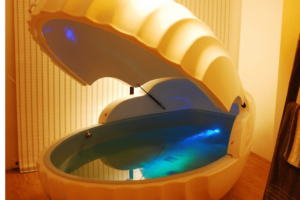
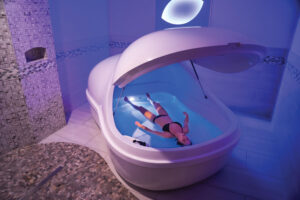
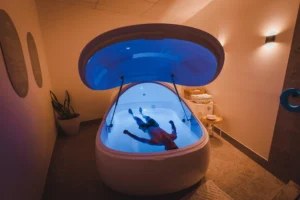
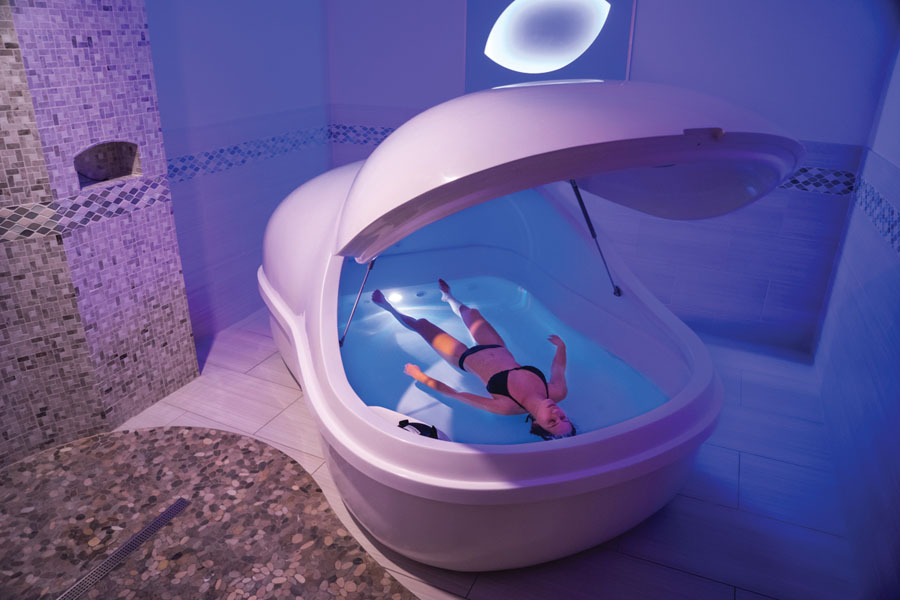
Float therapy, what is it? Simply put, it’s a therapeutic practice where you float effortlessly in a sensory deprivation tank filled with water and Epsom salt. The water is heated to skin temperature, and the environment is dark and quiet free from external stimuli. This setup, also known as sensory deprivation float therapy, allows your mind and body to fully relax.
These tanks are often referred to as isolation tanks, floatation tanks, or float therapy pods. They were developed in the 1950s to study consciousness, but over the past few decades, float tank therapy benefits have become widely recognized in wellness, mental health, and even sports recovery.
Is Float Therapy Safe for Beginners?
For most people, float therapy is extremely safe even for first-timers. The high concentration of Epsom salt makes it impossible to sink, and the tanks are carefully sanitized between sessions. Modern float therapy sessions are designed with hygiene, safety, and comfort in mind.
Here’s why it’s safe:
- Non-invasive: There are no chemicals, medications, or physical strain involved.
- Naturally buoyant: The saltwater ensures effortless floating, reducing stress on muscles and joints.
- Highly regulated sanitation: The water is filtered and disinfected after every float therapy session using UV light and hydrogen peroxide.
- Optional open tanks: For beginners who may feel claustrophobic, many spas offer open float pools or cabins.
If you have medical conditions like epilepsy, severe skin infections, or open wounds, consult a doctor first otherwise, float session therapy is safe, calming, and deeply restorative.
The Science Behind Float Therapy
The science behind float therapy lies in sensory deprivation and buoyancy. When external stimuli (light, sound, gravity) are minimized, the brain enters a theta state, the same state achieved during deep meditation or right before sleep.
Research shows that sensory deprivation float therapy lowers cortisol levels, reduces blood pressure, and boosts endorphins. Studies on float therapy for depression and float tank anxiety indicate that regular sessions can significantly reduce stress, fatigue, and mood swings.
In essence, isolation tank therapy provides a scientifically backed method for promoting mental clarity, emotional balance, and physical recovery.
Health Benefits of Float Therapy
The health benefits of float therapy extend far beyond simple relaxation. Here are some proven and observed float tank therapy benefits:
1. Deep Relaxation and Stress Reduction
The absence of sensory input allows your body to release tension. Many users report feeling calmer for days after a float therapy session. The benefits of float therapy for stress management are comparable to meditation and yoga.
2. Pain Relief and Muscle Recovery
Athletes use float session therapy to aid recovery. The Epsom salt (magnesium sulfate) helps reduce inflammation and soothe sore muscles. Floatation tank benefits are especially useful for chronic pain, fibromyalgia, and back issues.
3. Improved Sleep Quality
Regular sessions enhance sleep patterns. The effects of float therapy include resetting your circadian rhythm and reducing insomnia, thanks to lowered cortisol levels and deep relaxation.
4. Enhanced Mental Clarity
By cutting off external distractions, float therapy improves focus, creativity, and mindfulness. Many people experience enhanced problem-solving and emotional regulation after floating.
5. Emotional Wellbeing
The benefits of sensory deprivation float tanks include reduced symptoms of float therapy for depression and anxiety. Research supports that float tank anxiety relief can last up to a week after a single session.
Float Therapy for Relaxation and Mental Health
For beginners, float therapy for relaxation offers an effortless entry into mindfulness. Unlike meditation, which requires practice, float deprivation tank benefits come naturally when your body floats, your mind quiets, and your nervous system calms.
Those suffering from anxiety disorders or chronic stress often find float tank anxiety reduction profound. Floating releases endorphins, improving mood and mental clarity. It’s no surprise that many clinics now recommend isolation tank therapy as a complementary treatment for depression and anxiety.
Effects of Float Therapy on the Body and Mind
After a float therapy session, your body feels weightless, your muscles loosen, and your mind clears. The effects of float therapy are both immediate and long-term:
- Immediate effects: Relaxation, mental calm, reduced muscle tension
- Short-term effects: Better sleep, reduced anxiety, improved mood
- Long-term effects: Decreased chronic pain, improved focus, emotional balance
The benefits of floatation tanks also include increased magnesium absorption, which helps regulate muscle function, nerve activity, and blood pressure.
Float Therapy: What to Expect in Your First Session
If you’re new to float session therapy, here’s what to expect:
- Preparation: You’ll shower before entering the float tank. Avoid shaving or caffeine beforehand.
- The session: You’ll float for about 60 minutes in a warm, dark, soundproof tank.
- Relaxation: Most beginners drift between wakefulness and deep relaxation.
- After the session: You’ll rinse off and enjoy a sense of lightness and calm that lasts hours or days.
Don’t worry if you don’t relax instantly many first-timers fully experience the benefits of float therapy after their second or third session.
Who Should Try Float Therapy?
Anyone seeking float therapy for relaxation, mental clarity, or pain relief can benefit. It’s particularly useful for:
- Office workers dealing with stress
- Athletes recovering from intense workouts
- People struggling with insomnia, anxiety, or mild depression
- Individuals seeking mindfulness and meditation alternatives
The purpose of sensory deprivation tank use is to create an environment where the body and mind can fully reset. Whether you’re pursuing the health benefits of float therapy or simply need an escape from daily chaos, floating can be transformative.
Potential Risks and Precautions
While float therapy is generally safe, beginners should consider a few precautions:
- Claustrophobia: Choose an open tank or pool-style float room.
- Skin sensitivity: Saltwater may sting if you have cuts or shaved areas.
- Medical conditions: Consult your doctor if you have epilepsy, low blood pressure, or skin infections.
Otherwise, float tank therapy benefits outweigh any minimal risks. Thousands of people worldwide enjoy the benefits of sensory deprivation float tanks safely every day.
Why Float Therapy Is Worth Trying
The benefits of float therapy are not just hype they’re supported by scientific studies and user testimonials. The science behind float therapy shows tangible physiological effects, while real-world experiences confirm improved mood, sleep, and overall wellbeing.
Whether you’re seeking float therapy for depression, relief from float tank anxiety, or simply to experience the effects of float therapy on your body, this practice offers a safe, serene escape from the stresses of modern life.
FAQs About Float Therapy Safety
1. Is float therapy safe for beginners?
Yes, float session therapy is safe for beginners. The tanks are designed to be hygienic and easy to use, and the Epsom salt makes floating effortless.
2. Can I drown in a float tank?
No. The salt concentration is so high that your body naturally stays afloat, making it impossible to sink.
3. Is sensory deprivation dangerous?
Not at all. Sensory deprivation float therapy is completely safe. It helps calm the nervous system and is backed by research showing mental health benefits.
4. How clean are float tanks?
Extremely clean. The water is filtered and treated with UV light and hydrogen peroxide after every float therapy session.
5. Can float therapy help anxiety and depression?
Yes. Studies show that float therapy for depression and float tank anxiety can reduce symptoms naturally, improving mood and mental clarity.
6. How often should I float?
Beginners usually start with one float therapy session every week. Once you’re comfortable, you can adjust based on your wellness goals.
Final Thoughts
For beginners wondering “How safe is float therapy?” The answer is clear: it’s one of the safest, most relaxing wellness practices available today. The health benefits of float therapy, combined with the science behind float therapy, make it a holistic way to manage stress, pain, and mental fatigue.
Whether you’re seeking float therapy for relaxation, float therapy for depression, or to experience the effects of float therapy first-hand, this practice offers a unique journey into tranquillity one float at a time.