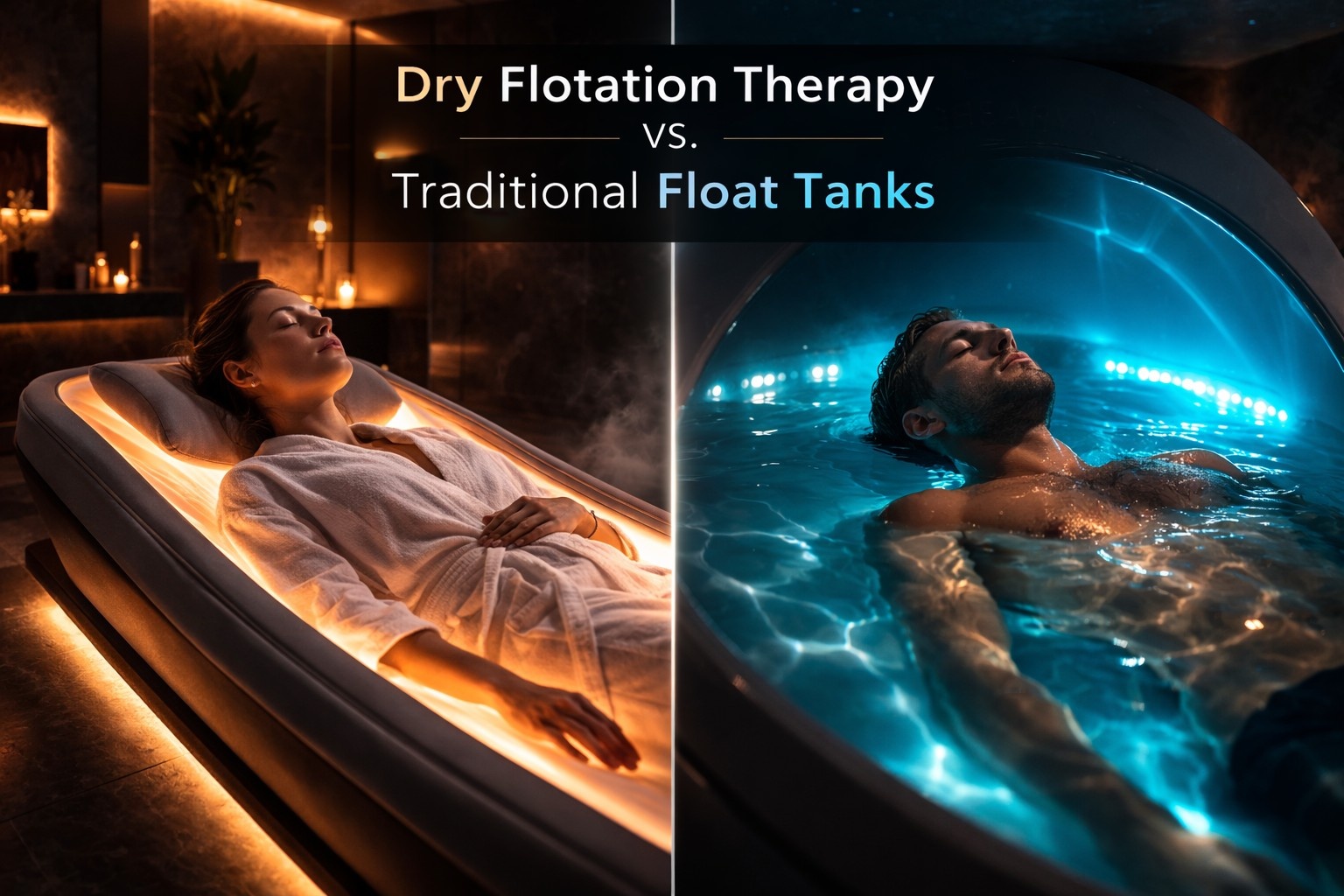
The wellness world has come a long way from basic spa days and standard massages. Today, people are actively seeking experiences that work deeper on the nervous system, the mind, and the body simultaneously. Two experiences sitting at the top of that list right now are Dry flotation therapy and traditional float tanks. Both are gaining serious attention, both deliver powerful results, and both are frequently misunderstood as being the same thing.
If you’ve been curious about either or can’t figure out which one is right for you this blog breaks it all down clearly. From how each works to who benefits most, here’s everything you need to know before booking your first session.
What Is Traditional Float Therapy?
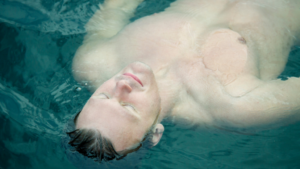
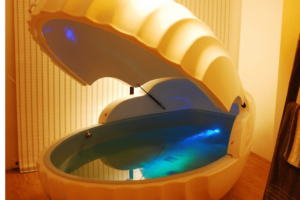
Traditional float therapy involves stepping into a large enclosed pod or room filled with about ten inches of water saturated with roughly 1,000 pounds of Epsom salt. Because of the salt density, your body floats effortlessly on the surface without any effort. The pod is completely dark and silent all sensory input is removed.
Inside, your brain gradually shifts into a deeply relaxed theta wave state. Cortisol drops. Muscles decompress. The mind quiets. Sessions typically run between 60 and 90 minutes, and the effects of mental clarity, reduced anxiety, and physical relief often last for days afterward.
Traditional float therapy has decades of research behind it and remains one of the most studied sensory deprivation practices in modern wellness.
What Is Dry Flotation Therapy?
Dry flotation is a newer innovation that delivers a similar weightless, decompressed feeling but without any water contact. Instead, you lie on a thin, body-temperature membrane that stretches over a heated water-filled base. The membrane conforms perfectly to your body shape, creating the sensation of floating while keeping you completely dry.
Many dry flotation beds also incorporate additional therapeutic elements like infrared heat, vibration, or even synchronized music to deepen the relaxation response. Sessions are typically shorter ranging from 30 to 60 minutes and require zero preparation.
How They Both Work on the Body
Despite their differences in format, both body float therapy approaches share a core mechanism they remove the body from the constant pressure of gravity.
- Spinal decompression and joint relief
- Significant reduction in muscle tension
- Lowered heart rate and blood pressure
- Reduced cortisol and stress hormone levels
- Activation of the parasympathetic nervous system
The Key Differences at a Glance
| Feature | Traditional Float Tank | Dry Flotation Therapy |
| Water Contact | Full immersion in salt water | No water contact, membrane only |
| Setup Required | Shower before and after | None fully clothed or robed |
| Session Length | 60–90 minutes | 30–60 minutes |
| Sensory Deprivation | Complete dark and silent | Partial some light and sound |
| Added Therapies | Limited | Infrared heat, vibration, music |
| Best For | Deep mental reset, anxiety relief | Physical recovery, first-timers |
| Claustrophobia Risk | Moderate enclosed pod | Very low open bed format |
| Post-Session Feel | Deeply meditative, floaty | Relaxed, physically restored |
| Experience Level | Better for returning users | Great for beginners |
| Skin/Hair Impact | Epsom salt exposure | Zero impact |
Which One Is Right for You?
Choose traditional float therapy if:
- You want a complete mental and sensory reset
- You’re dealing with anxiety, overthinking, or emotional burnout
- You want the deepest possible meditative experience
- You’ve floated before and know what to expect
- You’re comfortable with enclosed, dark spaces
Choose dry flotation therapy if:
- You’re new to floating and want a gentler introduction
- You have claustrophobia or discomfort in enclosed spaces
- You want a quick but effective session during a busy day
- You’re recovering from physical tension, back pain, or muscle fatigue
- You want to combine your session with infrared heat or sound therapy
The Role of Float Wellness and Massage
One area where both formats truly shine is in combination treatments. Float wellness & massage packages are designed to work synergistically and your body is softened and opened through hands-on massage work, then placed into a gravity-free environment where that openness can fully settle in.
The results are noticeably more powerful than either treatment alone. Pain relief lasts longer. The mental calm goes deeper. Sleep that night tends to be significantly better. Many regular wellness clients now consider this combination their non-negotiable monthly ritual not a luxury, but a genuine maintenance practice for their physical and mental health.
What Both Have in Common
Despite their differences, dry flotation and traditional float tanks both ultimately
deliver the same core gift permission to stop. In a culture that rewards constant output and rarely celebrates stillness, both experiences create a protected space where your body and mind are allowed to genuinely rest. Just restoration.
That shared purpose is why float therapy in both its forms is no longer being treated as an occasional indulgence. It’s being recognized as a legitimate, science-backed wellness practice with measurable mental and physical benefits.
Experience Both at Secret Soak Society
If you’re still unsure which experience suits you best, the most honest answer is try both. They feel different, serve different needs, and often attract different versions of you on different days.
At Secret Soak Society, both traditional float tanks and dry flotation therapy are available alongside curated massage and float packages, giving you a complete float wellness & massage experience designed around what your body and mind actually need that day. The team is there to guide you, answer every question, and make sure your first or fiftieth session feels exactly right.