

What Is Float Therapy?
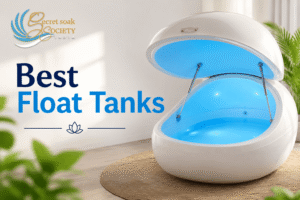
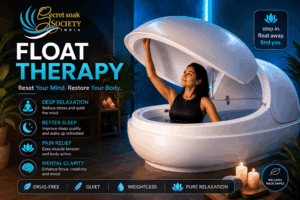
Float therapy is a relaxation practice where the body rests effortlessly in a tank filled with warm water and Epsom salt. The high salt concentration allows you to float without effort, creating a feeling of weightlessness that supports deep physical and mental rest. Often referred to as sensory deprivation therapy, this method reduces external distractions such as sound, light, and touch. As a result, the mind experiences a quiet environment that supports mental relaxation therapy. Many individuals exploring float therapy for stress and anxiety relief find it helpful in calming overwhelming thoughts and reconnecting with a sense of inner stillness. At Secret Soak Society in Bangalore, float therapy is offered as a gentle way to step away from daily pressures and experience a calm mind naturally.
How Float Therapy Works
Float therapy works by creating an environment where the body and mind are free from constant stimulation. The water is heated to match skin temperature, which reduces the sensation of touch, while the quiet surroundings limit auditory input. As you float, the muscles begin to relax because there is no pressure from gravity. The brain also slows down as it processes fewer external signals. This shift allows the nervous system to move into a restful state. Over time, this process supports stress reduction therapy by giving the body a chance to recover from ongoing tension. The simplicity of floating makes it accessible even for those who struggle with traditional relaxation techniques.
How Float Therapy Reduces Stress and Anxiety
Stress and anxiety often come from continuous mental activity and external demands. Float therapy removes these triggers by placing you in a controlled, calm environment. Without distractions, the mind gradually slows, and breathing becomes deeper and more steady. This helps reduce the physical symptoms of stress such as muscle tightness and rapid heart rate. Many people describe feeling mentally lighter after a session, which is why it is considered an anxiety relief treatment. Float therapy for stress and anxiety relief allows the body to return to a balanced state naturally, without requiring effort or complex practices.
The Science Behind Float Therapy
Scientific interest in float therapy has grown over the years, particularly in understanding its effects on the nervous system. Research suggests that reducing sensory input can lower cortisol levels, which are linked to stress. The magnesium in Epsom salt may also play a role in muscle relaxation and overall calmness. During a float session, the brain may shift into slower wave patterns associated with relaxation and creativity. These changes support the idea that sensory deprivation therapy benefits extend beyond physical rest and into mental clarity. While results vary, many findings indicate that float therapy can support emotional well-being when used consistently.
Key Benefits for Mental Health
Float therapy offers several benefits that support mental health in a natural way. It encourages deep relaxation, reduces mental clutter, and provides a break from constant stimulation. As a mental relaxation therapy, it helps individuals experience stillness without needing prior experience in meditation. Regular sessions may support improved mood and a more stable emotional state. Many people find that floating helps them manage daily stress more calmly, making it a valuable part of a broader approach to well-being. The ability to calm the mind naturally is one of the reasons float therapy continues to gain attention.
Key Highlights of Float Therapy Benefits
- Supports float therapy for stress and anxiety relief through deep relaxation
- Encourages natural stress reduction therapy without active effort
- Provides a calm environment for anxiety relief treatment
- Helps achieve a calm mind naturally by reducing distractions
- Promotes mental relaxation therapy through sensory stillness
Float Therapy vs Other Stress Relief Methods
Float therapy is often compared with other natural approaches like meditation, yoga, and breathing exercises. While all these methods support relaxation, float therapy creates a controlled environment where the body and mind can rest without effort. Meditation requires focus, yoga involves physical movement, and breathing exercises need active attention. In contrast, float therapy allows relaxation to happen passively. This makes it easier for individuals who find it difficult to stay focused or physically active during stress relief practices.
Comparison Between Float Therapy and Other Methods
- Float therapy provides a weightless, distraction-free space, while meditation relies on mental discipline and practice
- Yoga combines movement and breath, whereas float therapy focuses on stillness and sensory reduction
- Breathing exercises require conscious control, while floating allows the body to relax naturally
- Float therapy sessions offer consistent conditions, while other methods may depend on environment and experience
What to Expect During a Session
A float therapy session usually begins with a short introduction to help you understand the process. After a quick shower, you enter the float tank and lie back in the water. The high salt content keeps your body afloat, and the environment remains quiet and dim. Sessions typically last about an hour, during which your body gradually relaxes and your mind slows down. Some people experience a meditative state, while others simply enjoy the stillness. After the session, many feel refreshed and calm, making it a gentle anxiety relief treatment that fits easily into a busy lifestyle.
How Often Should You Use It?
The frequency of float therapy depends on individual preferences and needs. Some people choose to float once a week, while others visit occasionally for relaxation. Regular sessions may help maintain a sense of balance and make it easier to handle stress over time. Consistency plays a key role in experiencing long-term benefits. Float therapy for stress and anxiety relief can become part of a routine that supports both mental and physical well-being.
Potential Risks and Considerations
Float therapy is generally safe, but it may not be suitable for everyone. Individuals with certain medical conditions or sensitivities should consult a healthcare provider before trying it. Mild effects such as slight dizziness or skin sensitivity can occur but are usually temporary. Following basic guidelines, such as avoiding caffeine before a session and staying hydrated, can help ensure a comfortable experience. Understanding these considerations allows individuals to approach float therapy with confidence.
Is Float Therapy Right for You?
Float therapy is a suitable option for those looking for a natural way to manage stress and anxiety. It does not require prior experience or physical effort, making it accessible to a wide range of people. Whether you are dealing with daily stress or simply looking for a quiet space to relax, float therapy provides an opportunity to reset. At Secret Soak Society in Bangalore, individuals can explore this method in a calm and supportive environment designed for relaxation.
Contact
If you are interested in experiencing float therapy for stress and anxiety relief, Secret Soak Society in Bangalore welcomes you to explore a space designed for deep relaxation. Reach out to learn more about sessions, availability, and how float therapy can fit into your wellness routine.
FAQs
What is float therapy and how does it help with stress
Float therapy involves resting in a sensory-reduced environment that allows the body and mind to relax deeply, helping reduce stress naturally
Is float therapy safe for anxiety relief treatment
It is generally safe for most people and provides a calming environment that may help ease anxiety symptoms
How long does a float therapy session last
Most sessions last around sixty minutes, giving enough time for the body to relax and the mind to settle
Can beginners try float therapy easily
Yes, beginners can try it without difficulty, as the process is simple and does not require prior experience
Does float therapy help create a calm mind naturally
Yes, by reducing external distractions, it supports a natural sense of calm and mental clarity over time