

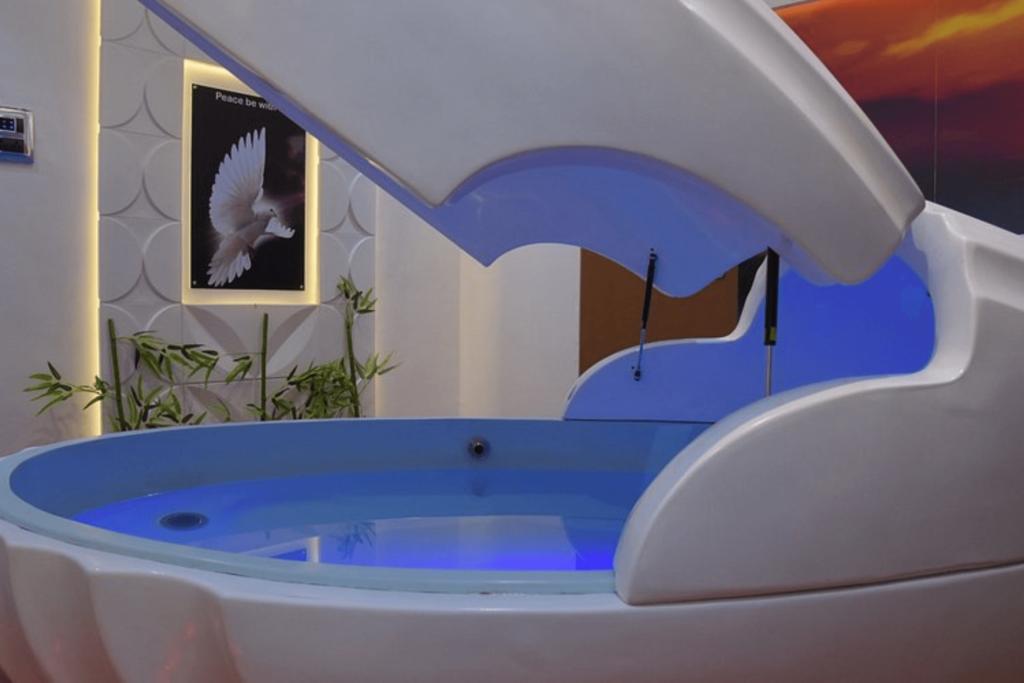
Float Therapy Guide

Float therapy, also known as sensory deprivation therapy, has become one of the most innovative ways to improve both mental and physical well-being. By immersing your body in a quiet, temperature-controlled float tank filled with Epsom salt water, you experience a state of deep relaxation where external distractions are minimized. This practice allows your mind and body to reset, reducing stress, improving sleep, enhancing creativity, and even supporting recovery from physical strain.

Whether you’re exploring float therapy for relaxation, managing anxiety or depression, or curious about its health benefits, this ultimate guide will walk you through everything you need to know: from the science behind floating, to how a float session works, and the remarkable physical and psychological effects reported by users.

Why Float Therapy Matters:

Float therapy helps the body relax in ways that everyday rest cannot.

Helps your body release tension and promotes full relaxation.

Supports mental clarity, focus, and emotional balance.

Improves sleep quality and reduces stress hormone levels.

Offers therapeutic benefits for chronic pain, muscle recovery.

This guide combines scientific insights, personal experiences, and practical advice to ensure you understand what float therapy is, how it works, and the powerful benefits it can bring to your life. Whether you are a first-timer or a regular floater, you’ll gain a comprehensive understanding of this emerging wellness trend.

Key aspects of float therapy:

The float session therapy experience varies by individual, but most users report feeling lighter, calmer, and mentally refreshed after a single session. With repeated use, the float session benefits extend to improved sleep, creativity, and emotional resilience.

How Can a Float Therapy Session Improve Your Well-Being?

A float therapy session can have immediate and lasting effects on your overall well-being. Floating reduces stress, eases muscular tension, and promotes mental clarity, making it a popular practice for relaxation and self-care.

What Is Float Therapy and How Does It Work?

Float therapy is a form of wellness treatment where individuals float in a tank filled with water and Epsom salt at body temperature. The high concentration of Epsom salt allows the body to float effortlessly, relieving pressure on muscles and joints. This environment minimizes external stimuli such as light, sound, and touch, creating a near-weightless sensation that encourages relaxation.

During a float therapy session, your brain shifts into a calm state, often resembling deep meditation. The lack of sensory input allows stress hormones to decrease, while endorphins and other feel-good chemicals increase. Regular sessions can help improve mood, reduce pain, and enhance overall mental clarity.

Scientific benefits include:

Reduction in cortisol (stress hormone) levels

Lowered blood pressure and heart rate

Enhanced production of endorphins and dopamine

Support for mental clarity, creativity, and focus
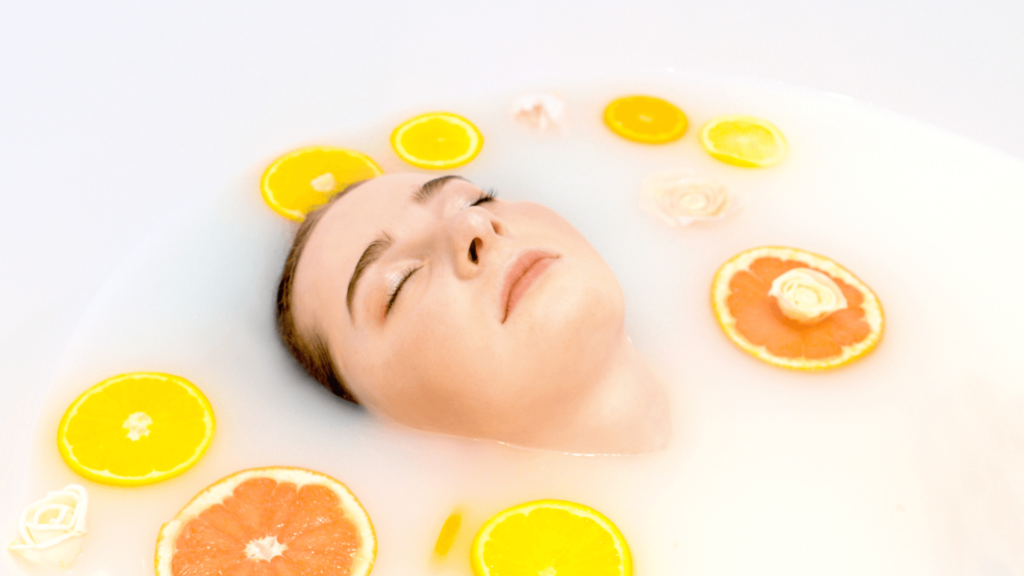

The effects of float therapy extend beyond relaxation. Regular sessions have been linked to improved mood, reduced anxiety, and better stress management. Scientists are increasingly studying how float deprivation tank benefits can complement traditional wellness and mental health practices.

What Is the Science Behind Float Therapy?

The science behind float therapy is rooted in its ability to manipulate sensory input and stimulate brainwave changes. When you enter a sensory deprivation float therapy tank, external stimuli like noise, light, and gravity are minimized. This allows your nervous system to enter a deeply relaxed state.

Epsom salt in the water contains magnesium, which can be absorbed through the skin and help reduce muscle tension, inflammation, and stress. Research also shows that floating can shift brain activity toward alpha and theta waves, which are associated with relaxation, creativity, and mental clarity.

How Effective Is Sensory Deprivation Float Therapy?

Sensory deprivation float therapy is highly effective for both mental and physical well-being. By removing external stimuli, the body and mind are able to reset, allowing stress levels to drop and the nervous system to restore balance. Many studies and user reports confirm that the effects of float therapy can include profound relaxation, reduced anxiety, and improved focus.

Key ways float therapy is effective:

People who practice regular float session therapy often notice a reduction in chronic stress, tension, and mental fatigue. Even a single session can help you feel lighter, both physically and mentally, demonstrating how float session benefits translate into everyday life.

What Is the Purpose of a Sensory Deprivation Tank?

The purpose of sensory deprivation tank is to create an environment free from external distractions. This isolation allows your body to experience float therapy for relaxation while your mind enters deep meditative states. The tank’s Epsom salt water provides buoyancy, reducing pressure on muscles and joints, while the quiet, dark space supports mental rejuvenation.
Purposes and benefits include:

Facilitates deep relaxation and stress reduction

Enhances mental clarity and focus

Supports emotional balance and mood improvement

Encourages mindfulness and meditation-like states

These tanks are designed not only for relaxation but also for therapeutic benefits. The benefits of sensory deprivation float tanks extend to physical recovery, anxiety reduction, and sleep improvement. The controlled environment helps people disconnect from everyday stress, making it a unique wellness tool.

Immediate benefits during a float session:

Deep physical relaxation and release of tension

Mental calmness and reduction of racing thoughts

Enhanced awareness of the body and mind

Relief from mild aches and pains.

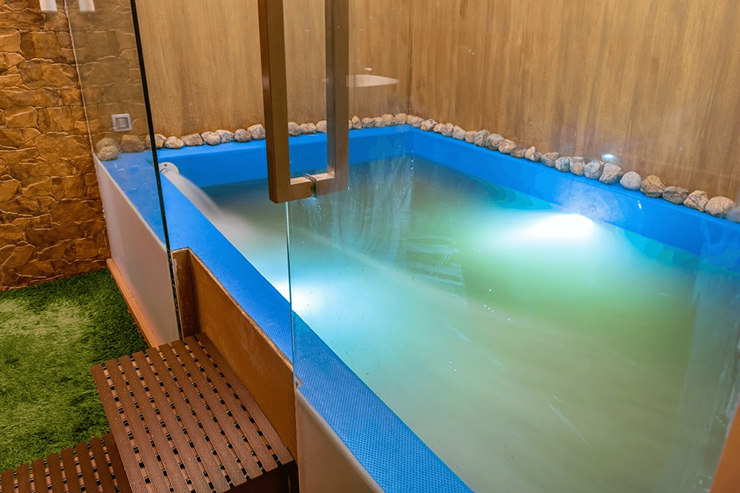
Long-term benefits of regular sessions

How Long Should a Float Therapy Session Last?

The purpose of sensory deprivation tank is to create an environment free from external distractions. This isolation allows your body to experience float The ideal duration for a float therapy session depends on your goals and experience. Most first-time sessions last about 60 minutes, giving the body and mind enough time to enter deep relaxation. Experienced floaters may extend sessions to 90 minutes or more for advanced benefits.

Recommended session lengths:

Tips for maximizing your session:

Proper timing ensures you receive the health benefits of float therapy without feeling restless or uncomfortable. Regular sessions tailored to your needs can amplify the effects of float therapy over time..

What Are the Health Benefits of Float Therapy?

The health benefits of float therapy are wide-ranging, impacting both the mind and body. By reducing sensory input, the nervous system can rest and recover, which positively affects overall health. Regular floating can help manage stress, relieve pain, and enhance mental clarity.
Key health benefits include:

Reduction in chronic stress and anxiety levels

Relief from muscular tension and joint pain

Support for cardiovascular and immune system function

Enhanced sleep quality and relaxation

Improved focus, creativity, and mindfulness


Many users report that float session therapy offers immediate relief from daily stress and creates a lasting sense of calm. The combination of floating, Epsom salt, and sensory isolation makes float therapy what is it an effective tool for promoting wellness. Overall, the benefits of float therapy are both physical and psychological, making it a holistic approach to health.t therapy without feeling restless or uncomfortable. Regular sessions tailored to your needs can amplify the effects of float therapy over time..

Can Float Therapy Improve Physical Health?

Float therapy for physical health focuses on muscle recovery, joint relief, and overall bodily rejuvenation. The high concentration of Epsom salt in float tanks allows the body to float effortlessly, reducing pressure on muscles and joints. This environment encourages healing and reduces inflammation.

Physical benefits include:

Athletes and fitness enthusiasts often use float deprivation tank benefits to enhance recovery. Over time, consistent float therapy session practices can lead to improved mobility, flexibility, and overall physical wellness.ons tailored to your needs can amplify the effects of float therapy over time..

Can Float Therapy Help With Depression?

Float therapy for depression is gaining attention as a complementary approach to mental health. Sensory deprivation and the calming environment of a float tank help reduce stress hormones while increasing serotonin and dopamine levels, which improves mood naturally.

Ways floating helps with depression:

Clinical studies suggest that regular float session therapy can enhance emotional well-being. People experiencing mild to moderate depression often report improved mood and focus after consistent sessions, showcasing the float tank therapy benefits for mental health.y over time..

How Does Float Tank Therapy Reduce Anxiety?

Float tank anxiety relief is one of the most reported benefits of float therapy. By removing external stimuli, the mind enters a calm, meditative state, reducing the constant mental chatter that drives anxiety.

Key ways floating reduces anxiety:

Creates a deep sense of calm and safety

Promotes parasympathetic nervous system activation

Encourages mindfulness and stress management

Reduces tension in muscles and improves body awareness

Regular isolation tank therapy sessions can help manage day-to-day stress and prevent anxiety from escalating. Users consistently report that float session benefits include feeling calmer, centered, and more focused throughout the day.


How Does a Floatation Tank Affect Mental Health?

Floatation tank therapy offers profound effects on mental health by promoting relaxation, reducing stress, and encouraging mindfulness. The absence of sensory distractions allows the brain to shift into alpha and theta brainwave patterns, enhancing creativity and mental clarity.
Mental health benefits include:

Improved focus, concentration, and cognitive performance

Enhanced emotional regulation and mood stability

Reduced symptoms of anxiety and depression

Increased mindfulness and self-awareness

Greater resilience to daily stressors


By practicing regular float therapy session routines, users experience noticeable improvements in mental clarity and emotional balance. These effects of float therapy make it a valuable tool for anyone seeking to support their psychological well-being.. Users consistently report that float session benefits include feeling calmer, centered, and more focused throughout the day.

What Are the Psychological Effects of Float Therapy?

The psychological effects of float therapy are significant and diverse. Floating allows the mind to disconnect from external distractions, leading to improved mental performance and emotional well-being.
Psychological benefits include:

Regular sessions also provide long-term benefits, helping users develop resilience to stress. The combination of sensory deprivation float therapy and float session therapy is recognized for its ability to improve mental clarity and promote overall psychological health.clude feeling calmer, centered, and more focused throughout the day.

How Do Isolation Tanks Impact Stress Levels?

Isolation tank therapy is designed to create a serene, distraction-free environment where the body and mind can completely relax. This lack of external stimuli helps to lower stress hormones and activate the body’s parasympathetic nervous system, which is responsible for the “rest and digest” response.

How isolation tanks reduce stress:

Through float therapy for relaxation, individuals can disconnect from the pressures of daily life and enter a restorative mental space. Over time, people who regularly use floatation tank therapy report lower stress levels and greater emotional resilience.h.clude feeling calmer, centered, and more focused throughout the day.

Are There Specific Benefits of Float Therapy for Relaxation?

Isolation tank therapy is designed to create a serene, distraction-free enFloat therapy for relaxation is one of the primary reasons people seek out floatation tanks. Floating in warm, Epsom salt-rich water offers deep physical and mental relaxation that is hard to achieve through other methods. The absence of external stimuli helps the body and mind reset, leading to profound relaxation effects.
Specific benefits for relaxation:

Many find that float session therapy can be an essential part of their self-care routine, helping them find tranquility and calm. The benefits of float therapy for relaxation have made it a popular choice for anyone seeking relief from the daily hustle.

Can Float Therapy Help With Sleep Disorders?

Yes! Float therapy for sleep disorders is an increasingly popular natural treatment. The deeply relaxing effects of floating help to quiet the mind and regulate the nervous system, which can significantly improve sleep quality. Many individuals with insomnia or other sleep disorders find relief after just a few float sessions.
How floating improves sleep:

  • Calms the mind and body before sleep
  • Reduces anxiety and promotes mental clarity

Eases muscle tension and discomfort that disrupt sleep

Enhances relaxation, encouraging deeper, more restorative sleep

The health benefits of float therapy for sleep are widely recognized, with many users reporting fewer awakenings at night and a more restful, uninterrupted sleep cycle after regular float therapy sessions.

What Are the Main Benefits of Floatation Tanks?

Floatation tanks offer numerous physical, mental, and emotional benefits. From relaxation and stress reduction to improved focus and physical recovery, floating provides a holistic approach to wellness.
Key benefits of floatation tanks include:

Physical recovery

Reduces muscle soreness, promotes healing, and alleviates pain

Mental clarity

Enhances focus, creativity, and problem-solving skills

Stress relief

Lowers cortisol levels and promotes a sense of calm

Mood improvement

Increases serotonin and dopamine, improving mental well-being

Emotional balance

Encourages mindfulness, peace, and greater emotional stability

These float tank therapy benefits extend to anyone seeking a comprehensive way to improve their health, making floatation tanks a powerful tool in the wellness industry.

How Safe Is Float Therapy for Beginners?

For beginners, float therapy session experiences are generally safe and offer minimal risk. However, it’s important to follow some basic guidelines to ensure comfort and safety. For first-timers, proper preparation can make the experience even more enjoyable.

Safety tips for beginners:

Float therapy for relaxation is generally safe for people of all ages, making it an excellent choice for beginners looking to reduce stress and improve well-being.

What Should You Expect During Your First Float Session?

If you’re trying float therapy for the first time, it’s natural to have some questions about what to expect. A float session typically takes place in a private, comfortable tank, filled with warm, mineral-rich water.
What to expect during your first session:

Entering the tank

You’ll be shown to a private room where you can change into comfortable clothing or a swimsuit

Floating

Once in the tank, you’ll float effortlessly in the water, with no distractions, allowing your body to relax

Sensory experience

Expect the room to be dark and quiet, with the water temperature set to body temperature for ultimate comfort

Duration

Sessions usually last 60 minutes, but can be adjusted based on your preferences

The first float therapy session may feel strange initially, but most first-timers quickly adapt to the experience and report a sense of tranquility and rejuvenation.

Personal Stories and Surprising Float Therapy Experiences

Many people share unique and surprising float therapy experiences that highlight its wide range of benefits. These personal stories often include life-changing moments of relaxation, emotional breakthroughs, and unexpected benefits.

Some surprising experiences include:

These personal anecdotes emphasize how floatation tank therapy can provide more than just relaxation—it can lead to self-discovery, healing, and profound changes in overall well-being.

Everything You Get by Joining Our Float Newsletter

Close the CTA
  • First access to Float Center Openings
  • VIP invites to exclusive workshops and launch parties
  • Unlock flash 40% off vouchers

Everything You Get by Joining Our Float Newsletter

Close the CTA
  • First access to Float Center Openings
  • VIP invites to exclusive workshops and launch parties
  • Unlock flash 40% off vouchers

Welcome to the Secret Soak Society

Close the CTA

Sign up for updates on our world class float experiences, wellness events, exclusive tips for deeper relaxation, and a whole lot more.


As a thank you, unlock your exclusive 40% off voucher for your first float.


We won’t ever spam you, we promise. Just pure peace, delivered to your inbox.

Welcome to the Secret Soak Society

Close the CTA

Sign up for updates on our world class float experiences, wellness events, exclusive tips for deeper relaxation, and a whole lot more.


As a thank you, unlock your exclusive 40% off voucher for your first float.


We won’t ever spam you, we promise. Just pure peace, delivered to your inbox.