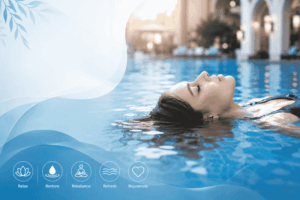


Relationships thrive when couples feel connected, supported, and emotionally present with one another. However, modern life often makes this difficult. Busy careers, financial pressures, family responsibilities, and endless digital distractions can leave partners feeling stressed and disconnected.
As a result, many couples are searching for wellness experiences that help them relax and spend meaningful time together. One trend gaining popularity is couples float therapy.
But can couples’ float therapy actually improve your relationship?
While float therapy is not a replacement for communication, counseling, or relationship work, it may help create conditions that support relaxation, emotional well-being, and quality time together. Let’s explore why more couples are turning to couples float therapy and what benefits they may experience.
What Is Couples Float Therapy?
Float therapy, also known as sensory deprivation therapy, involves floating effortlessly in warm water that contains a high concentration of Epsom salt. The salt allows the body to float naturally, creating a feeling of weightlessness.
The floating environment is designed to minimize outside distractions, helping the mind and body enter a deeply relaxed state. Some facilities offer float experiences for couples, while others provide individual float sessions that couples enjoy as part of the same wellness visit.
The goal is simple: relaxation, recovery, and mental calmness.
Why Couples Are Interested in Float Therapy
Modern relationships face a common challenge—stress.
Stress can affect communication, patience, emotional connection, and overall relationship satisfaction. When both partners feel overwhelmed, even small issues can seem larger than they really are.
Couples are increasingly exploring wellness activities that help reduce stress naturally. Float therapy stands out because it provides an opportunity to disconnect from daily pressures and focus on relaxation.
Instead of another dinner date or movie night, couples can invest in their well-being together.
How Float Therapy May Support Relationships
1. Helps Reduce Everyday Stress
One of the most commonly reported benefits of float therapy is deep relaxation.
When stress levels decrease, people often feel calmer, more patient, and better equipped to handle daily challenges. This can have a positive effect on relationships because both partners may feel more emotionally balanced.
A relaxed mind often creates space for better conversations and healthier interactions.
2. Encourages Quality Time Together
Many couples spend time in the same room but remain distracted by phones, emails, or social media.
Float therapy offers a chance to step away from these distractions. Even if partners float separately, the shared experience often creates meaningful opportunities for conversation and connection afterward.
Experiencing something new together can strengthen feelings of closeness and shared understanding.
3. Supports Mental Wellness
Mental well-being plays an important role in healthy relationships.
People who feel mentally refreshed are often more present, focused, and emotionally available. Float therapy provides a quiet environment where individuals can relax, reflect, and temporarily disconnect from outside demands.
For many couples, prioritizing mental wellness together becomes an important part of maintaining a strong relationship.
4. May Improve Sleep Quality
Sleep and relationships are closely connected.
Poor sleep can contribute to irritability, fatigue, and increased stress. Many float therapy users report feeling deeply relaxed after a session, which may help support better sleep.
When both partners are well-rested, communication and emotional regulation often improve naturally.
5. Creates a Unique Shared Experience
Relationships benefit from positive shared experiences.
Trying something new together can help break routines and create lasting memories. Couples float therapy offers a wellness-focused activity that feels different from traditional date nights.
Many couples enjoy the experience simply because it gives them a chance to slow down and focus on themselves and each other.
The Science Behind Float Therapy
Research into float therapy suggests that reduced sensory stimulation may help promote relaxation and stress reduction. The combination of weightlessness, quiet surroundings, and magnesium-rich Epsom salt creates an environment designed to encourage physical and mental calmness.
Many participants report benefits such as the following:
- Reduced stress
- Improved mood
- Mental clarity
- Better relaxation
- Enhanced recovery
- Improved overall well-being
While individual experiences vary, these effects help explain why float therapy continues to gain popularity among wellness-focused couples.
What to Expect During a Couples Float Session
For first-time visitors, the experience is usually straightforward.
A typical session includes:
- A brief introduction to floating
- Entering a float pod or float room
- Floating effortlessly in warm salt water
- Relaxing without external distractions
- Leaving the session feeling refreshed and calm
Most sessions last between 60 and 90 minutes.
There is no special skill required, making float therapy accessible to beginners.
Can Float Therapy Really Improve Your Relationship?
Float therapy alone will not solve relationship problems. However, it may help create a healthier foundation by reducing stress, supporting relaxation, encouraging mindfulness, and promoting emotional well-being.
This is why many couples view float therapy as a valuable wellness experience rather than simply another activity.
Final Thoughts
Can couples’ float therapy improve your relationship? The answer depends on what you’re hoping to achieve.
While it is not a relationship cure, float therapy can support relaxation, mental wellness, and quality time together. In today’s busy world, taking time to slow down and prioritize well-being can be incredibly valuable.
For couples looking for a unique wellness experience, float therapy offers an opportunity to disconnect from stress, recharge mentally, and enjoy a shared journey toward better overall well-being.