
Stress has become a common part of modern life. Long work hours, constant digital distractions, and daily responsibilities can leave people feeling mentally exhausted and physically tense. As a result, many individuals are looking for natural ways to relax, recover, and improve their overall well-being.
One wellness practice gaining attention is water-floating therapy. Known for its calming environment and unique relaxation experience, this therapy offers an opportunity to disconnect from external distractions and focus on mental and physical recovery.
In this guide, we’ll explore why more people are turning to float therapy for stress relief, how it works, and the potential benefits it may offer.
What Is Water Floating Therapy?
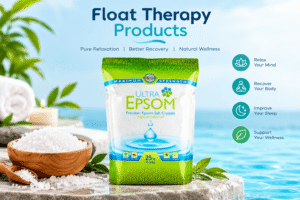
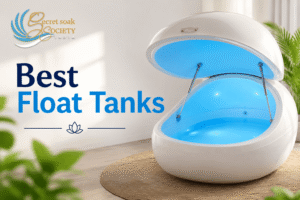
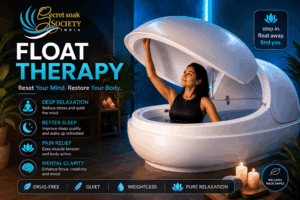
Water floating therapy is a relaxation practice where an individual floats effortlessly in a specially designed tank or pool filled with warm water and a high concentration of Epsom salt.
The high salt content increases buoyancy, allowing the body to float naturally without effort. The water is typically maintained at skin temperature, creating a comfortable environment that minimizes external sensory input.
The goal is to create a peaceful experience where the body can relax deeply while the mind enjoys a break from constant stimulation.
Why Stress Is Becoming a Major Concern
Stress affects people from all walks of life. While occasional stress is normal, chronic stress can influence many aspects of daily living, including:
- Sleep quality
- Focus and concentration
- Mood and emotional balance
- Energy levels
- Physical comfort and muscle tension
Many people are now seeking wellness solutions that support relaxation without requiring intense effort or complicated routines. This growing interest has contributed to the popularity of water floating therapy.
How Water Floating Therapy May Support Stress Relief
Reduced External Distractions
Modern environments are filled with noise, screens, notifications, and constant activity.
During a float session, many of these distractions are minimized. The quiet environment allows individuals to step away from daily demands and experience a period of uninterrupted calm.
This temporary break from stimulation may help create a sense of mental relaxation.
Deep Physical Relaxation
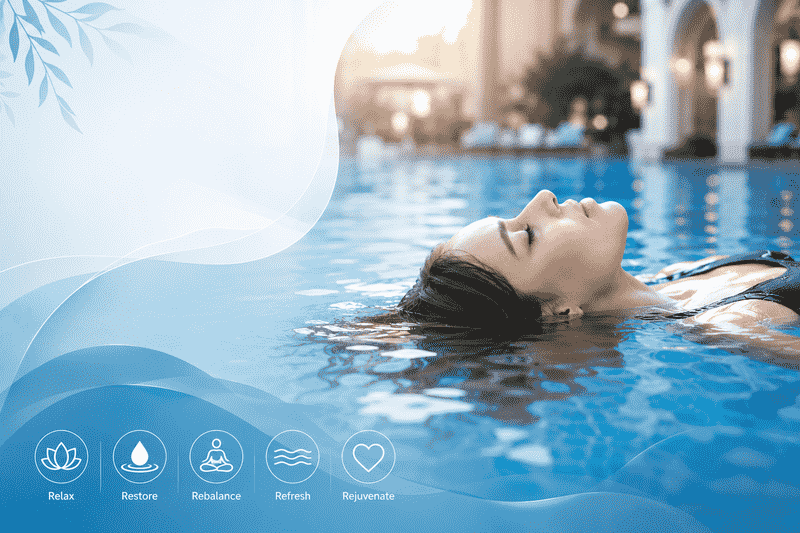
Floating reduces pressure on joints and muscles because the body is fully supported by the water.
Many people report feeling physically lighter and more comfortable during a session. This weightless sensation can encourage relaxation and help ease everyday tension accumulated from work, exercise, or long periods of sitting.
Time for Mental Recovery
Many people rarely spend time without digital interruptions. Float therapy provides a dedicated period for rest and reflection.
Some individuals use the experience for mindfulness, meditation, or simply allowing their minds to slow down naturally.
The Growing Popularity of Float Therapy
Wellness-Focused Lifestyles
More people are prioritizing self-care and preventive wellness practices.
Instead of waiting until stress becomes overwhelming, individuals are exploring relaxation techniques that support overall well-being. Water floating therapy fits into this trend because it offers a unique wellness experience focused on rest and recovery.
Increased Awareness of Mental Well-Being
Public conversations around stress management and mental wellness have increased significantly.
People are becoming more proactive about finding healthy ways to manage stress, improve relaxation, and create balance in their lives. Float therapy has gained attention as one option that may complement these wellness goals.
Interest in Non-Invasive Wellness Practices
Many wellness enthusiasts prefer experiences that are simple, natural, and non-invasive.
Water floating therapy does not require physical exertion or specialized skills. Participants simply enter the float environment and allow the body to relax naturally.
Potential Benefits People Commonly Report
While individual experiences vary, people who try float therapy often mention benefits such as:
Improved Relaxation
Many users describe feeling deeply relaxed during and after a session.
Better Stress Management
Some individuals report feeling calmer and more mentally refreshed following a float experience.
Enhanced Mindfulness
The quiet environment may help support mindfulness practices and encourage greater self-awareness.
Temporary Relief from Everyday Tension
The sensation of weightlessness can create a feeling of physical ease and comfort.
Mental Clarity
Some people feel more focused and refreshed after spending uninterrupted time away from external distractions.
What Happens During a Float Session?
If you’re new to water-floating therapy, understanding the process can help reduce uncertainty.
Before the Session
Participants typically:
- Shower before entering the float tank
- Remove electronic devices and distractions
- Receive basic instructions
During the Session
Inside the float environment:
- The body floats effortlessly
- The water remains comfortably warm
- External noise is minimized
- Participants relax, meditate, or simply rest
After the Session
Many people spend a few minutes readjusting and reflecting on the experience before returning to daily activities.
Who May Be Interested in Water Floating Therapy?
People explore float therapy for different reasons, including:
- Busy professionals seeking relaxation
- Students managing academic pressure
- Athletes looking for recovery-focused wellness practices
- Individuals interested in mindfulness
- Anyone wanting dedicated time away from daily distractions
Because every person is different, experiences and outcomes can vary.
Tips for Getting the Most Out of a Float Session
If you’re considering water floating therapy, these tips may help improve your experience:
Arrive Relaxed
Try not to rush. Arriving early can help you transition into a calmer mindset.
Keep Expectations Flexible
Every session is unique. Focus on relaxation rather than achieving a specific result.
Practice Deep Breathing
Slow breathing can help support relaxation and make it easier to settle into the experience.
Give Yourself Time Afterwards
Avoid scheduling demanding tasks immediately after your session so you can enjoy the sense of calm.
Why Water Floating Therapy Continues to Grow
The increasing popularity of float therapy reflects a broader shift toward wellness practices that support rest, relaxation, and self-care.
As people search for ways to manage stress naturally, water floating therapy continues to attract attention for its unique combination of buoyancy, quiet surroundings, and uninterrupted relaxation time.
While float therapy is not a replacement for professional medical or mental health care, many individuals find it to be a valuable addition to their overall wellness routines.
Conclusion
Stress affects nearly every aspect of life, making effective relaxation more important than ever. Water floating therapy offers a unique opportunity to step away from daily distractions, experience deep relaxation, and focus on personal well-being.
Its growing popularity highlights a rising interest in wellness experiences that encourage rest, mindfulness, and recovery. Whether you’re exploring new relaxation methods or simply looking for time to unwind, float therapy is a practice that many people are discovering as part of their stress-management journey.