
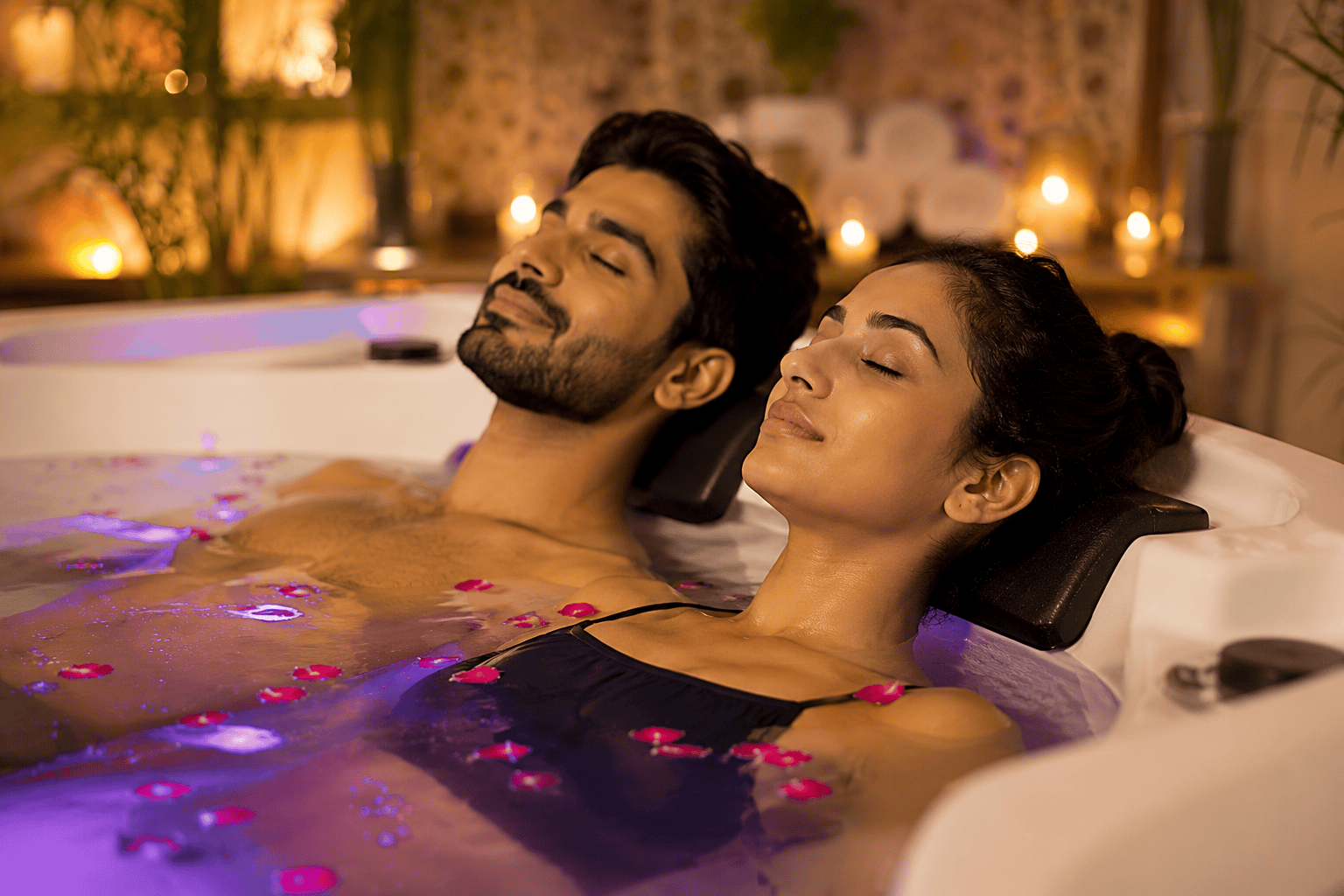
Relationships thrive when couples find meaningful ways to connect, relax, and spend quality time together. In today’s fast-paced world, stress, work pressure, digital distractions, and busy schedules often leave little room for genuine connection. That’s one reason why more couples are turning to couple floating therapy as a unique wellness experience they can enjoy together.
Unlike traditional date activities that can feel repetitive or rushed, floating therapy offers couples an opportunity to disconnect from everyday stress and reconnect with themselves and each other. Whether you’re looking to strengthen your relationship, reduce stress, improve emotional well-being, or simply try something different, floating therapy is becoming a popular choice among modern couples.
What Is Floating Therapy?
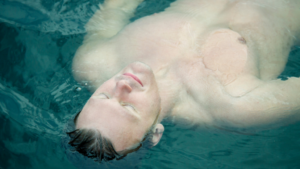
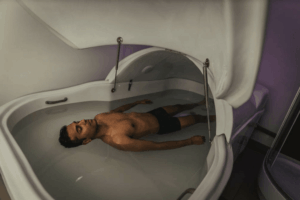
Floating therapy, also known as floatation therapy, involves relaxing in a specially designed float tank or pool filled with warm water and Epsom salt. The high salt concentration allows the body to float effortlessly on the surface of the water.
The environment is quiet, comfortable, and free from many external distractions. This creates a deeply relaxing experience that helps calm the mind and body. Many people describe floating therapy as feeling weightless, peaceful, and restorative. For couples, it can also create a shared wellness experience that supports relaxation and emotional connection.
Why Couples Are Looking for New Ways to Connect
Modern relationships face challenges that previous generations rarely experienced. Constant notifications, demanding careers, social media, and busy lifestyles can make it difficult for couples to spend meaningful time together.
Many couples are actively seeking experiences that help them:
- Reduce stress together
- Improve communication
- Create stronger emotional bonds
- Enjoy quality time without distractions
- Support their overall health and wellness
The Stress-Relief Benefits for Couples
Stress affects individuals and relationships alike. When stress levels remain high for extended periods, it can contribute to irritability, fatigue, poor communication, and emotional distance.
One of the primary reasons couples choose floating therapy together is stress reduction.
During a float session, the body can enter a deeply relaxed state. Many people report feeling calmer, mentally refreshed, and more balanced afterward. When both partners experience this relaxation together, it can create a more positive and supportive atmosphere within the relationship.
Reduced stress often leads to:
- Better communication
- Improved mood
- Greater patience
- Increased emotional awareness
- More enjoyable time together
A Digital Detox for Modern Relationships
Technology is useful, but it can also become a major source of distraction in relationships.
Many couples spend significant portions of their day looking at screens rather than engaging with each other. Floating therapy offers an opportunity to unplug and take a break from constant digital stimulation.
Without notifications, emails, social media, or other distractions, couples can focus on their own well-being and appreciate shared moments before and after the session.
This simple break from technology can feel surprisingly refreshing and beneficial.
Encouraging Mindfulness and Presence
One of the biggest advantages of floating therapy is its ability to encourage mindfulness.
When external distractions are reduced, people often become more aware of their thoughts, emotions, and physical sensations. This heightened awareness can help couples become more present in their daily interactions.
Mindfulness has been associated with improved emotional regulation, reduced stress, and healthier relationship dynamics.
Many couples find that after floating, they feel more centered, calm, and emotionally available for meaningful conversations.
Supporting Emotional Well-Being
Emotional health plays a critical role in relationship satisfaction.
When individuals feel overwhelmed, anxious, or mentally exhausted, maintaining a strong connection with a partner can become more difficult.
Floating therapy provides an environment that promotes relaxation and mental recovery. Many participants report feeling:
- More peaceful
- Less anxious
- Mentally refreshed
- Emotionally balanced
- Better equipped to handle daily challenges
Creating a Unique Shared Experience
Many date activities involve external entertainment such as movies, restaurants, or shopping. While enjoyable, these experiences don’t always create lasting emotional impact.
Floating therapy offers something different.
Trying a new wellness experience together can create positive memories and strengthen relationship bonds. Couples often enjoy discussing their float experience afterward, sharing insights, and reflecting on how they felt during the session.
These shared experiences can help deepen emotional connection over time.
Physical Relaxation and Recovery
In addition to mental relaxation, floating therapy is often associated with physical comfort and recovery. The sensation of weightlessness may help reduce pressure on muscles and joints. Many people use floating therapy as part of their wellness routines after workouts, long workdays, or physically demanding activities.
For couples who lead active lifestyles, floating can provide a relaxing way to recover and unwind together. Physical relaxation often contributes to improved mood and overall well-being, which can positively influence relationship quality.
Why Floating Therapy Appeals to Wellness-Focused Couples
Health-conscious couples are increasingly prioritizing wellness experiences over traditional entertainment.
Instead of simply looking for ways to pass time, many couples want activities that contribute to the following:
- Mental wellness
- Stress management
- Self-care
- Recovery
- Mindfulness
- Personal growth
What Couples Can Expect During a Float Session
For first-time floaters, the experience is generally simple and relaxing.
A typical session may include:
- A brief introduction to the floating environment.
- Entering the float tank or float pool.
- Relaxing while floating effortlessly in warm salt water.
- Enjoying a peaceful period free from external distractions.
- Taking time afterward to reflect and recharge.
Is Floating Therapy Right for Your Relationship?
Every relationship is unique, but couples who value relaxation, wellness, mindfulness, and quality time often find floating therapy appealing.
It may be especially beneficial for couples who:
- Have demanding schedules
- Experience high stress levels
- Want new date ideas
- Value self-care
- Enjoy wellness activities
- Seek deeper connection and balance
Final Thoughts
More couples are choosing floating therapy together because it offers something increasingly rare in modern life: uninterrupted time to relax, recharge, and reconnect. From stress relief and mindfulness to emotional wellness and quality time, floating therapy provides a unique experience that aligns with the growing focus on health and well-being. As couples continue searching for meaningful ways to strengthen their relationships while prioritizing self-care, floating therapy is likely to remain one of the most appealing wellness experiences available today. Whether you’re looking for a unique date idea, a way to reduce stress, or an opportunity to focus on wellness together, couple floating therapy offers a refreshing path toward greater relaxation and connection.